
Posture and Acture: Moshe Feldenkrais on Moving Without Strain
Most of us were told to stand up straight. Shoulders back, chin up, stomach in. And most of us have tried, only to find that the effort lasts about as long as our attention does. The moment we stop thinking about it, we settle back into our familiar shape.
That isn't a failure of willpower. It is a sign that we have been thinking about posture in the wrong way.
Moshe Feldenkrais, the founder of the Feldenkrais Method®, saw posture not as a position to hold but as something alive and moving. He even coined a new word for it: acture. In this post I want to share what he meant, and why this idea changed how I teach posture.
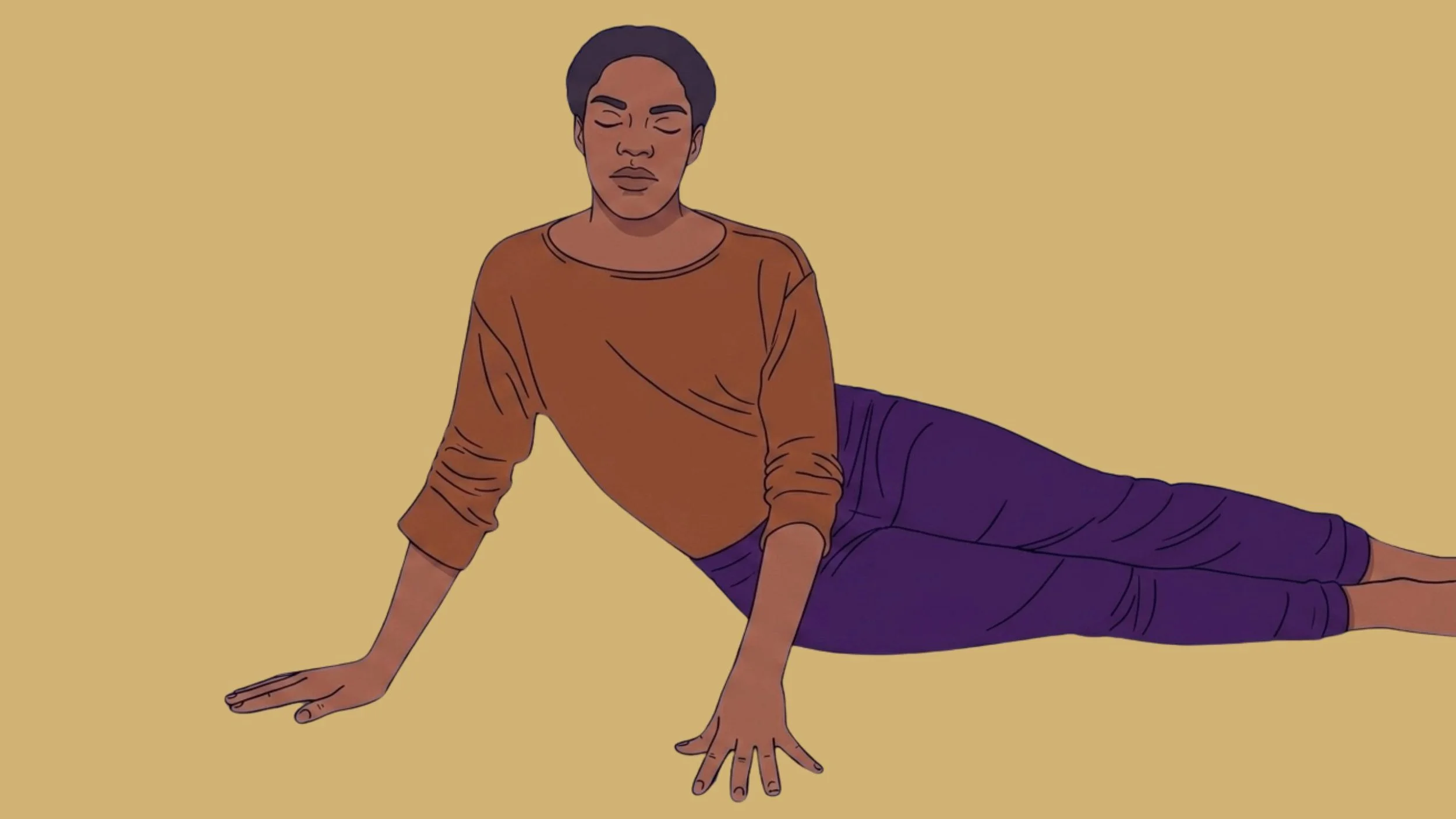
What is dynamic posture, and what did Feldenkrais mean by “acture”?
Dynamic posture is the way you organize yourself while you are moving: walking, reaching, turning, bending or getting up from a chair. Static posture is the way you hold yourself while you are still, such as sitting at a desk or standing in line.
Most posture advice focuses on static posture. It tells you what shape to make and asks you to hold it. But we are almost never truly still. Even now, as you sit and read this, you are breathing, shifting and balancing.
Moshe Feldenkrais felt the word "posture" carried too much of that fixed, held quality. So he proposed a different word, acture, to describe what really matters: the ability to move from where you are, in any direction, without strain and without first having to reorganize yourself.
By this definition, good posture is not a particular shape. It is readiness. A person with good acture can turn to answer a call, step off a curb or catch a falling cup, easily and without bracing.
Feldenkrais wrote about this throughout his work. His book Body and Mature Behavior explores how gravity, habit and emotion shape the way we stand, and the very first lesson in his book Awareness Through Movement asks the question: what is good posture?
Why there is no such thing as perfect posture
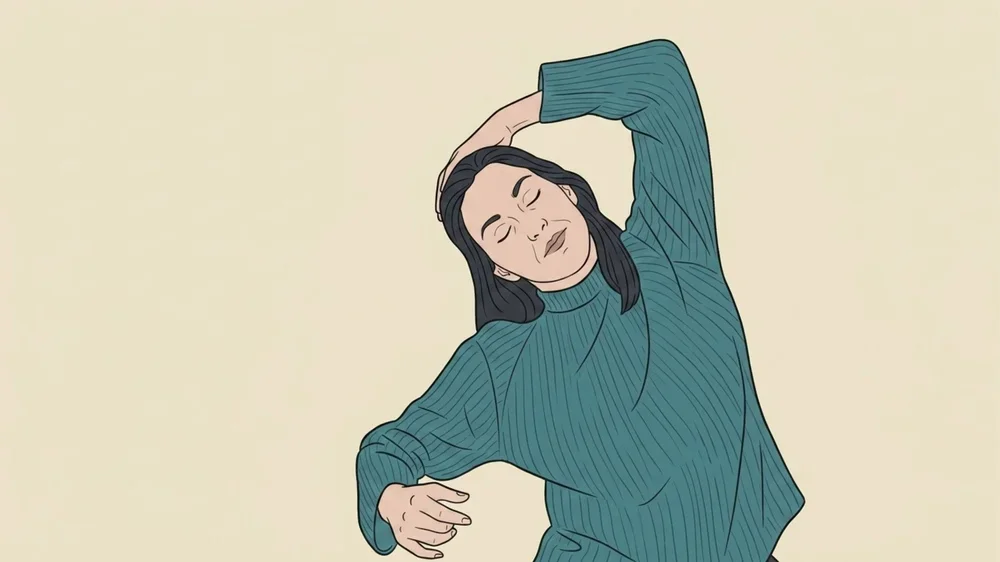
If you search for perfect posture, you will find plenty of diagrams: ear over shoulder, shoulder over hip, hip over ankle. These can be useful reference points. But trying to hold that line all day usually creates a new kind of tension.
When we pull the shoulders back, we often grip the muscles between the shoulder blades. When we lift the chest, we tend to hold the breath. When we tuck the belly, the low back and pelvis stiffen. We swap one habit for another, and now we are working hard just to stand still.
You can feel this for yourself. Stand tall and try to stay perfectly still. Within a minute or so, you will probably notice small adjustments happening at your ankles, knees, and hips—a natural phenomenon known as postural sway. Postural sway is the unconscious, continuous movement of your body’s center of mass or center of pressure while standing upright. It is a normal part of human balance, and driven by your nervous system making tiny, constant micro-adjustments to keep you upright. Standing is never really still. Balance is a constant conversation with the ground, and holding yourself rigid only makes that conversation harder.
This is why I say our aim is not a perfect posture, but a place of less tension and conflict in the body, where our posture is fluid rather than rigid. Your posture is really how you navigate being upright with gravity. It affects not only your physical comfort, but your mood and your overall sense of wellbeing too.
What good acture looks and feels like
Acture is less about how you look and more about how easily you can act. You may be moving toward better acture when:
You can turn your head to look behind you without your shoulders and chest locking up
Getting up from a chair or the floor takes less effort and fewer preparatory movements
Your breath keeps moving freely while you reach, lift or bend
You can change direction while walking without feeling stiff or off balance
You stand or sit upright without the sense of holding yourself up
Your neck, jaw and lower back feel quieter at the end of the day
With awareness, specificity and practice, we can free the muscles of the neck, shoulders, spine and face. As we find more freedom there, we also find a more easy, elegant and upright posture, one that we don't have to hold.
A short exploration: turning to look
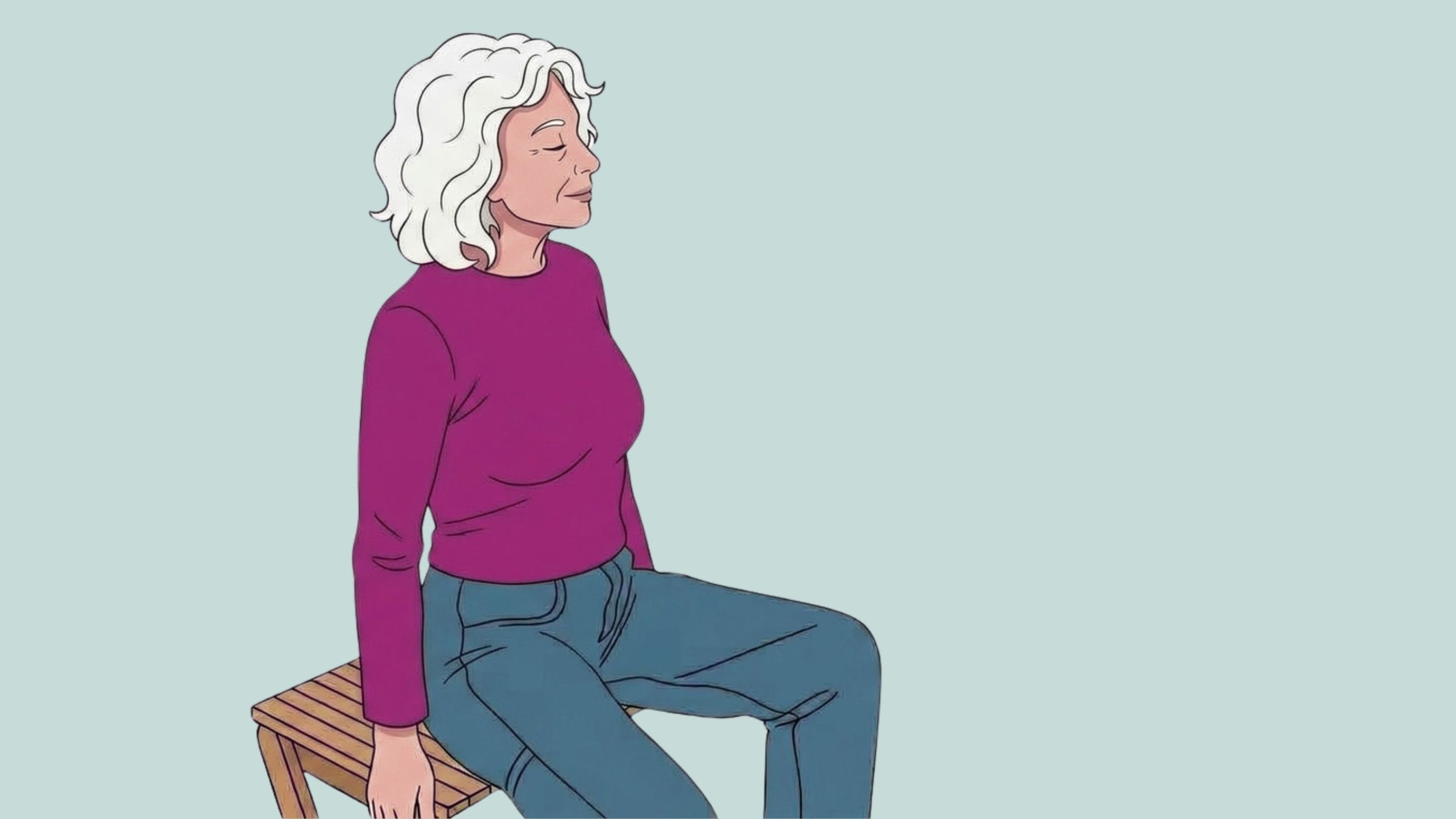
This takes about five minutes and can be done sitting on a firm chair. Move slowly, keep every movement well within comfort, and rest whenever you like.
Sit toward the front of the chair with both feet flat on the floor. Notice how your weight rests on your sitting bones.
Slowly turn your head to look to the right, only as far as is easy. Notice where you stop and what you see there. Come back to the middle.
Now turn to the right again, but this time let your eyes, head, shoulders and chest all turn together, as one unit. Let your pelvis shift a little on the chair. Come back.
Repeat this a few times, using less effort each time. Notice whether your breath keeps moving.
Return to just turning your head to the right, as you did at the beginning. Has your range changed? Does the movement feel lighter?
Turn your head to the left for comparison, and notice the difference between your two sides.
You didn't stretch anything or force a better position. You simply gave your nervous system a clearer sense of how the whole of you can participate in a movement. That is acture at work.
Where to go next
If this way of thinking about posture resonates with you, there are a few places to continue.
To learn how the Feldenkrais Method approaches posture in practice, read Feldenkrais and Posture. If you are new to the method itself, start with what the Feldenkrais Method is and what to expect from a lesson.
If you would rather listen, my podcast episode on posture as a dynamic system explains how a Feldenkrais approach to posture differs from other methods.
And if you are ready for a full practice, Posture Matters is a self-paced series of Awareness Through Movement® lessons that frees the neck, shoulders, spine and face, so you can find an upright posture that is fluid rather than rigid.
Frequently Asked Questions
-
Dynamic posture is how you organize your body while moving, such as walking, reaching or getting up from a chair. Static posture is how you hold yourself while still.
-
Acture is a term coined by Moshe Feldenkrais. It describes the ability to move from any position, in any direction, without strain or preparatory adjustment.
-
Not in the Feldenkrais view. Good posture is not a fixed shape to hold, but the ease with which you can move and respond from wherever you are.
-
Feldenkrais saw good posture as dynamic. It allows you to act in any direction with minimal effort, without having to brace or reorganize yourself first.
-
Holding a position takes constant muscular effort, so it fades when your attention moves on. Lasting change comes from improving how you move, not from holding a shape.
-
Feldenkrais lessons use slow, gentle movement and attention to reduce unnecessary tension. Many people find their posture becomes more upright and easy as a result.