
Feldenkrais and the Nervous System
Gentle Movement for Nervous System Regulation
Most advice for a stressed nervous system works from the head down: breathe more slowly, think differently, try to relax. For some people that helps. For a lot of people it does not go far enough, because the tension is not really happening in your thoughts.
The Feldenkrais Method takes a different route. It works from the body upward, through attention and gentle movement, rather than relying on mental strategies to change how you feel. As you tune in to subtle physical sensations, you strengthen your ability to understand and respond to what is happening inside you. The more accurately you can sense your internal state, the more choice you have about how to respond.
Regulating the nervous system means being able to shift between states like stress and relaxation with more ease. It is the ability to come back to a calm, grounded place after being activated by a challenge, an emotion or sensory input. A regulated nervous system does not mean always being relaxed. It means being adaptable, responsive and resilient.
This page is a starting point. It covers how the nervous system works, how gentle movement supports it, and where to go next depending on what you are looking for.
What a Feldenkrais approach to the nervous system involves
The Feldenkrais Method is a form of movement education. You are not being treated or fixed. You are given conditions in which you can notice what you are doing and find an easier option.
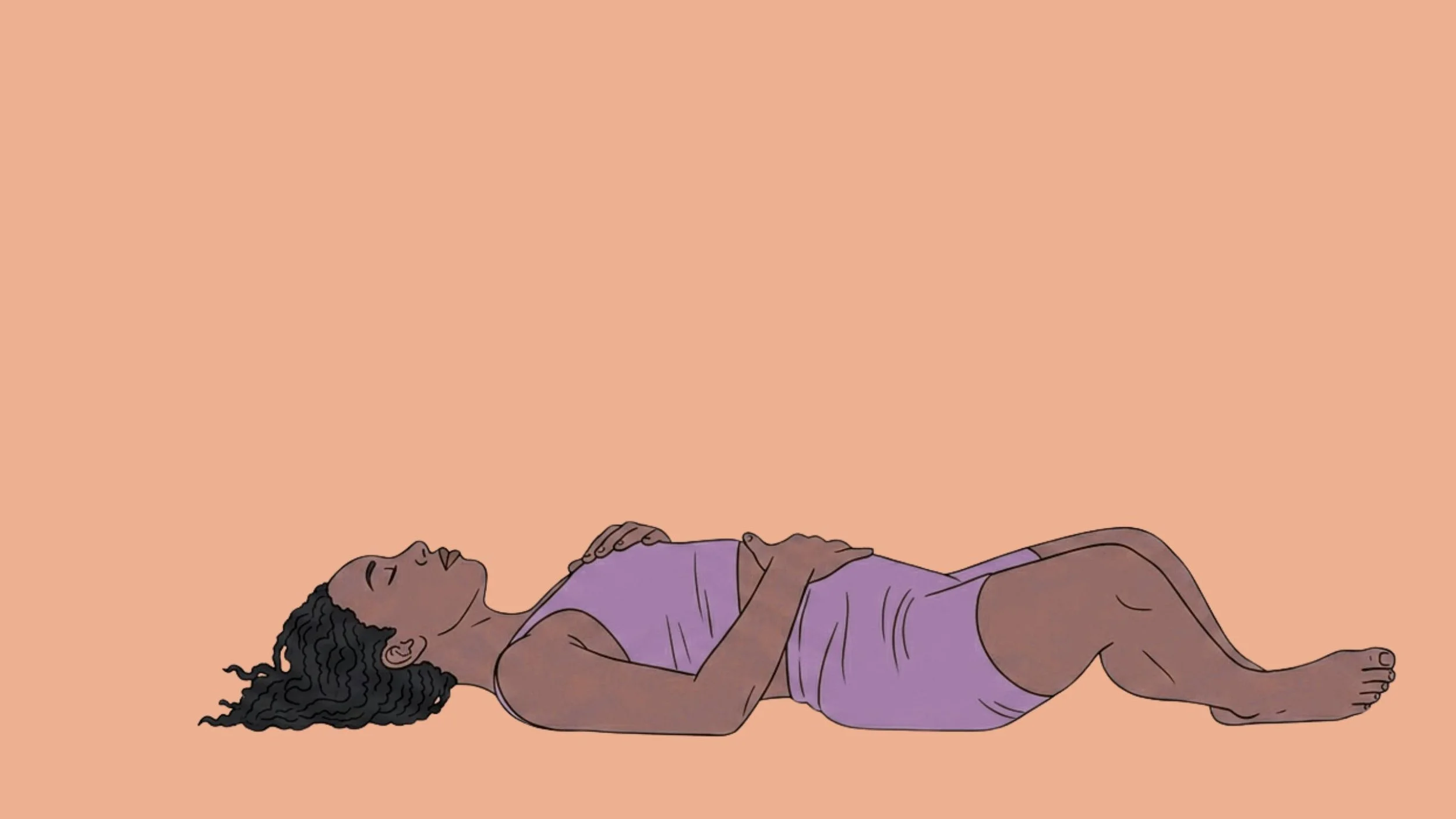
Feldenkrais is not stretching or straining. The movements are always done within a range of comfort, never reaching a point of strain or even stretch, because that is what creates an environment where the nervous system feels safe enough to learn and change. There are no shapes or poses to achieve. Instead the lessons work with developmental movement patterns and mindful movement explorations.
Two things about how the lessons are structured matter here. The first is effort. The smallest amount of exertion allows the greatest amount of sensory differentiation, which is what makes new information available for learning. The second is pace. Slow movements encourage a parasympathetic response, the rest and digest side of the nervous system.
The rests between movements are part of the lesson rather than a break from it. During the rests your brain is comparing: what was that, what did I just do, how do I feel different? That is when integration happens.
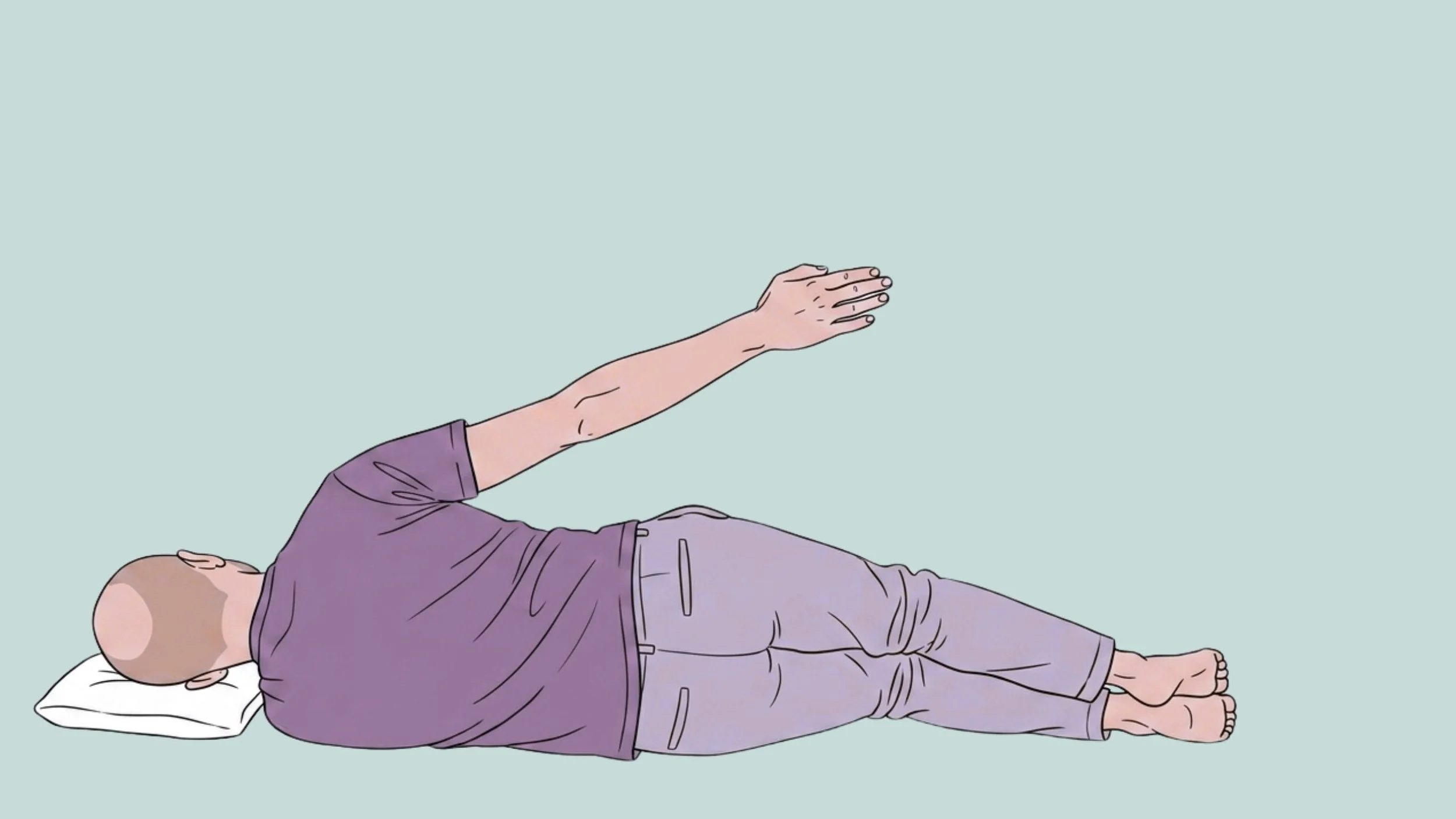
If you have never done a Feldenkrais lesson before, no experience is needed. You do not need to be flexible, fit, or familiar with any of the terminology. Here is what to expect in a Feldenkrais Awareness Through Movement lesson.
Why regulation starts with sensing, not relaxing:
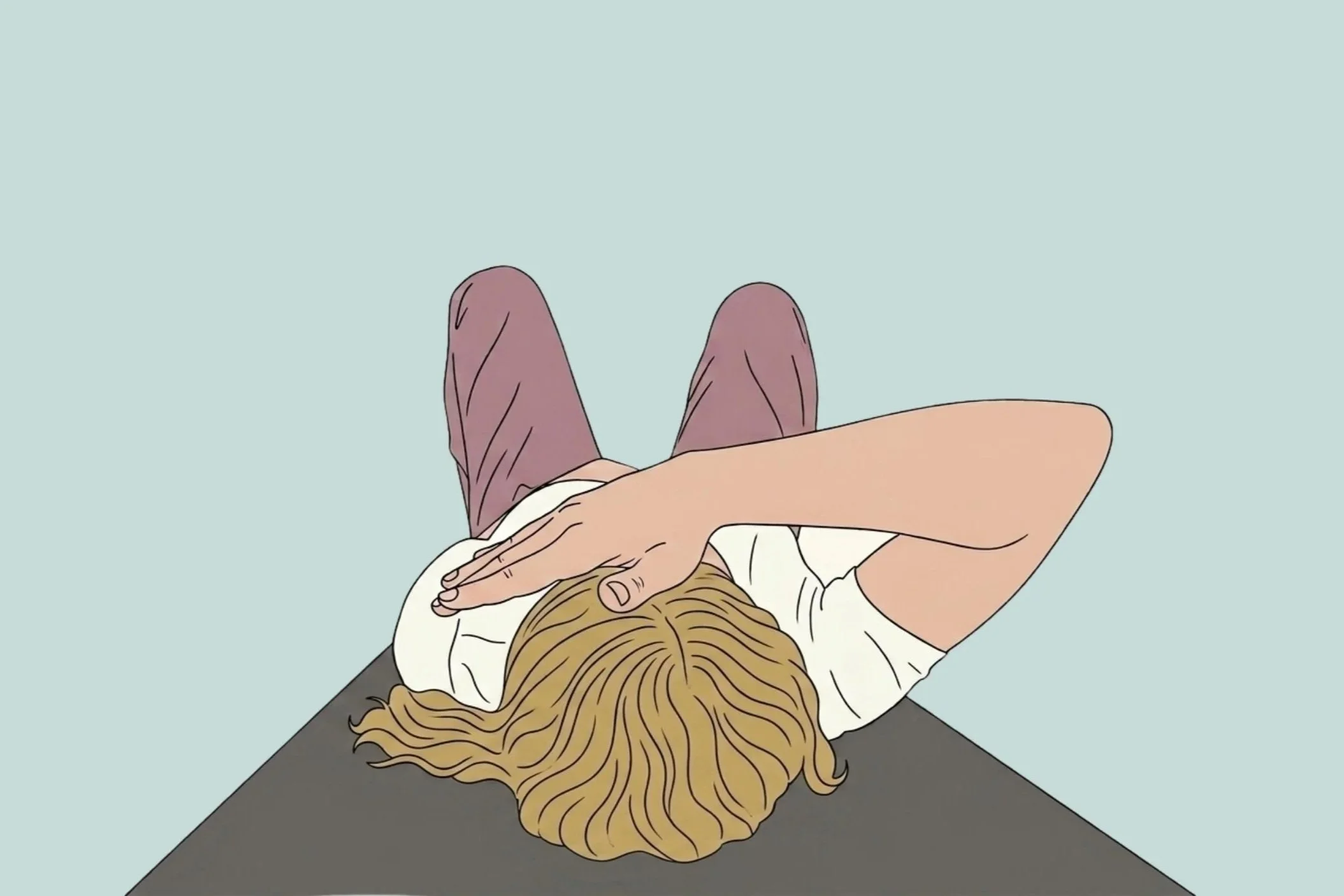
There is an assumption built into most advice about stress that the answer is to relax harder. Sometimes rest is exactly what is needed. But being told to relax rarely reaches a pattern that has been running for years, because you cannot let go of something you cannot feel.
Rather than relaxing from the outside in, Feldenkrais guides you through movement and attention so you can explore how you function from the inside out. Lessons often begin by helping the nervous system downshift to a place where learning and integration become possible. From there it is about noticing what is actually happening: your muscle tone, your posture, your breathing, your habitual reactions.
You might find yourself asking:
Am I holding my breath to do this?
Does this movement feel better or worse when I shift slightly?
Is there more effort here than I need?
Questions like these help you integrate what you have just experienced, rather than slipping back into unconscious patterns.
That usually means:
Moving slowly enough that you can feel the difference between one attempt and the next
Reducing effort until the movement is easy enough to be interesting
Resting often, and treating the rests as part of the work
Noticing your breath rather than controlling it
Staying well inside a comfortable range, so the system never has to defend itself
None of this asks you to push through discomfort. If something hurts, it is information, not an obstacle.
“I experience an ease of being, a soft wholesomeness, in Feldenkrais...”
Related Podcasts
If you would rather listen than read, these episodes cover the same ground in Sarah's own words.
Episode 65: Unraveling Body Patterns of Anxiety
This is the intro class to the 8 lesson Feldenkrais® course, Unraveling Body Anxiety. We will explore how we can interrupt our habitual patterns of stress. We will investigate how we hold tension in our system, observing it and then disturbing it, and looking for sensations of comfort and pleasure.
Episode 74: Soothe and Orient Yourself
This is a 30 minute Feldenkrais lesson that includes some very subtle body attention. This is a great class if your eyes or jaw are starting to feel fatigue, if you are feeling burn out or anxiety, if the body needs a reset or a rest, if you are having trouble sleeping or just generally need a restorative practice.
Go deeper with the full courses:
From Rest to Action: Exploring the Feldenkrais Method
From Rest to Action takes everything on this page and builds it into a complete course. Across eight lessons, each recorded in two variations, you will move between restful mini hibernations and the transition from a settled state into powerful action, through lessons like Fading From Rest to Action, Finding Length Through Flexion, Floating the Hoop and Rolling and Resting with an Easy Jaw. Short anatomy talks come before each lesson, and you keep the recordings to return to whenever you need them.
“I am so grateful that you continue to provide these life giving, body strengthening and soul nurturing classes. They are like an inner meditation for every cell in my body!”
Other Nervous System Focused Feldenkrais Courses:
Unraveling Body Anxiety
Feldenkrais Course
Eight lessons exploring how we interrupt habitual stress patterns: breathing, facial, neck, hand, hip, and shoulder tension, and postural habits built up after hours at a computer.
Soften the System
Feldenkrais Course
These lessons aren't just for relaxation or feeling good—they help you better know, experience, and understand your body. Explore exercises focused on breathing, jaw health, and eye softening.
Yoga + Feldenkrais Blended Course:
Welcoming the Body: The Blending of Yoga & Feldenkrais
Like a snail emerging from it’s shell, in this series we find ways to meet ourselves in new places, creating space and feel what it is like living in this body. Kindness towards ourselves, our bodies is not always soft and easy. It can ask us to meet the resistance within the deepest places of our bodies and hearts. We enter our movement practice with patience, attention, and enthusiasm for slow learning.
Each class will infuse a more traditional yoga asana practice with the Feldenkrais® Awareness Through Movement method. These classes are an interdisciplinary excursion of yoga, Feldenkrais Awareness Through Movement, joint specific training, self-massage, breathing exercises, movement puzzles, and a compassionate mindset to help you feel a greater sense of ease and comfort in yourself. You will train your sensitivity in such a way that you find yourself feeling more alive, vibrant and spacious.
Understanding the Difference: Yoga, Feldenkrais, and the Nervous System
Yoga and the Feldenkrais Method® both use movement as a way of learning through the nervous system, and both ask you to listen to your body and respect its limits. In Patanjali's Yoga Sutras, the goal is often translated as stilling the waves of the mind. Moshe Feldenkrais said his aim was not flexible bodies but flexible minds.
Where they differ is in emphasis. Most yoga places significant weight on alignment and the external shape of a pose. Feldenkrais® Awareness Through Movement focuses on the internal experience of movement: the coordination, the quality, the efficiency. There are no prescribed shapes to achieve, and the movements stay slow and well within comfort, because that is what lets the nervous system observe, adapt and reorganise safely.
Sarah's Yoga + Feldenkrais Blended Classes bring the two together, infusing a more traditional asana practice with the curiosity of Awareness Through Movement. A seasoned yogi often finds Feldenkrais deepens their internal awareness, and a Feldenkrais student often finds strength and vitality through yoga.
Why Choose the Blended Class?
If you like having a visual model to follow, or you want the familiarity of yoga without the pressure of perfect poses, the blended format gives you both.
See the difference for yourself:
How your nervous system works:
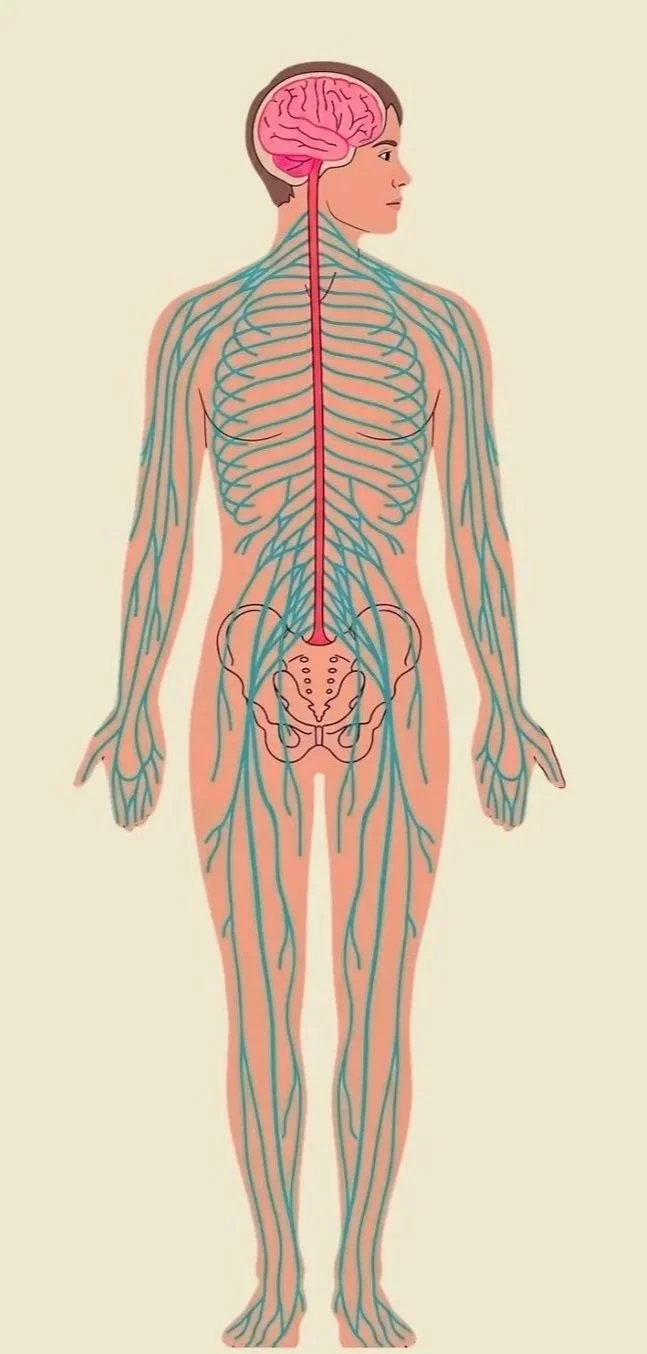
The brain is part of the body, no less than the lungs, the muscles or the bones. It is more useful to think of these systems as deeply interconnected than as separate things, because they all shape how you move, feel and learn.
The nervous system is a communication network. At its centre is the central nervous system, made up of the brain and spinal cord. From there, nerves branch out to every organ and region of the body, which is the peripheral nervous system.
Within the peripheral system sits the autonomic branch, which manages everything you do not consciously control: circulation, digestion, breathing. It has two main sides. The sympathetic branch prepares you to act quickly under stress, often described as fight or flight. The parasympathetic branch helps you slow down and recover, known as rest and digest.
The system gathers information from inside and outside you, sends it to the brain to be processed, generates a response, then checks whether that response helped. That feedback loop is how learning happens, and it is the loop Feldenkrais lessons work with.
Interoception and the vagus nerve
A regulated nervous system usually comes with a strong sense of interoception: the ability to sense what is happening inside you, like your heartbeat, hunger, breath, tension or fatigue. This involves communication between the brain and the internal organs along pathways including the vagus nerve.
The more attuned you are to these inner signals, the better you can understand and respond to what you need in the moment. Noticing that your breath has gone shallow, or that your jaw is tight, is a cue to pause and adjust.
Slow, mindful movement is a direct way to develop this. The lessons invite you to notice how your breath flows, where you hold tension, which movements feel smooth and which feel restricted. That inner awareness is the foundation of regulation.
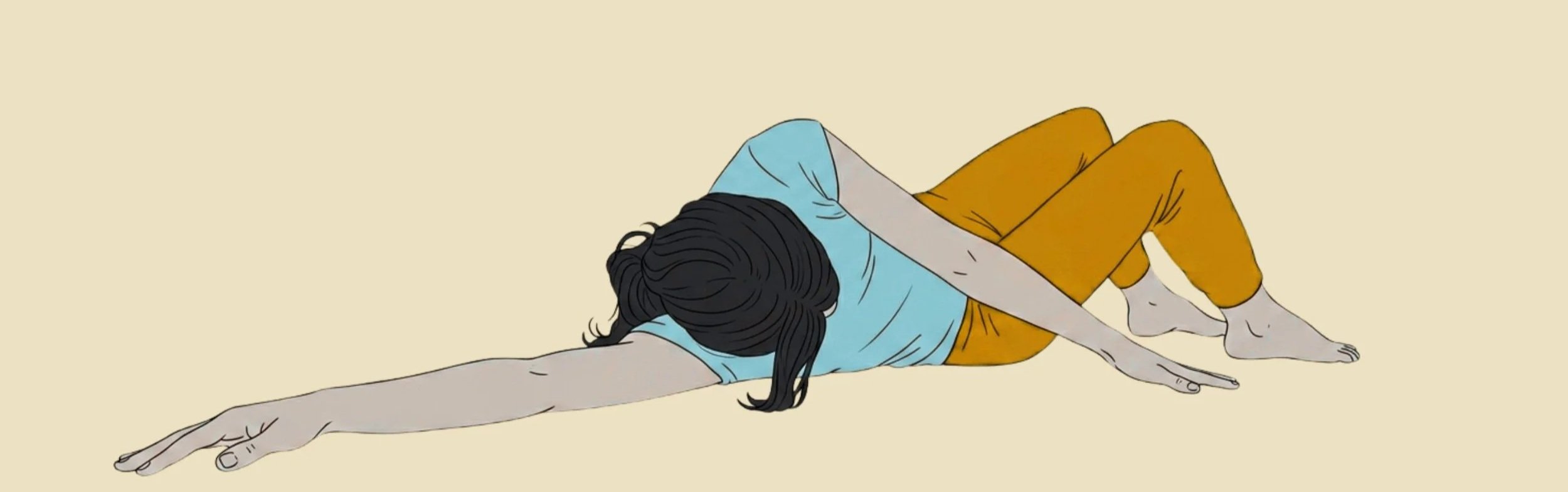
Habits, stress, and what the body holds on to
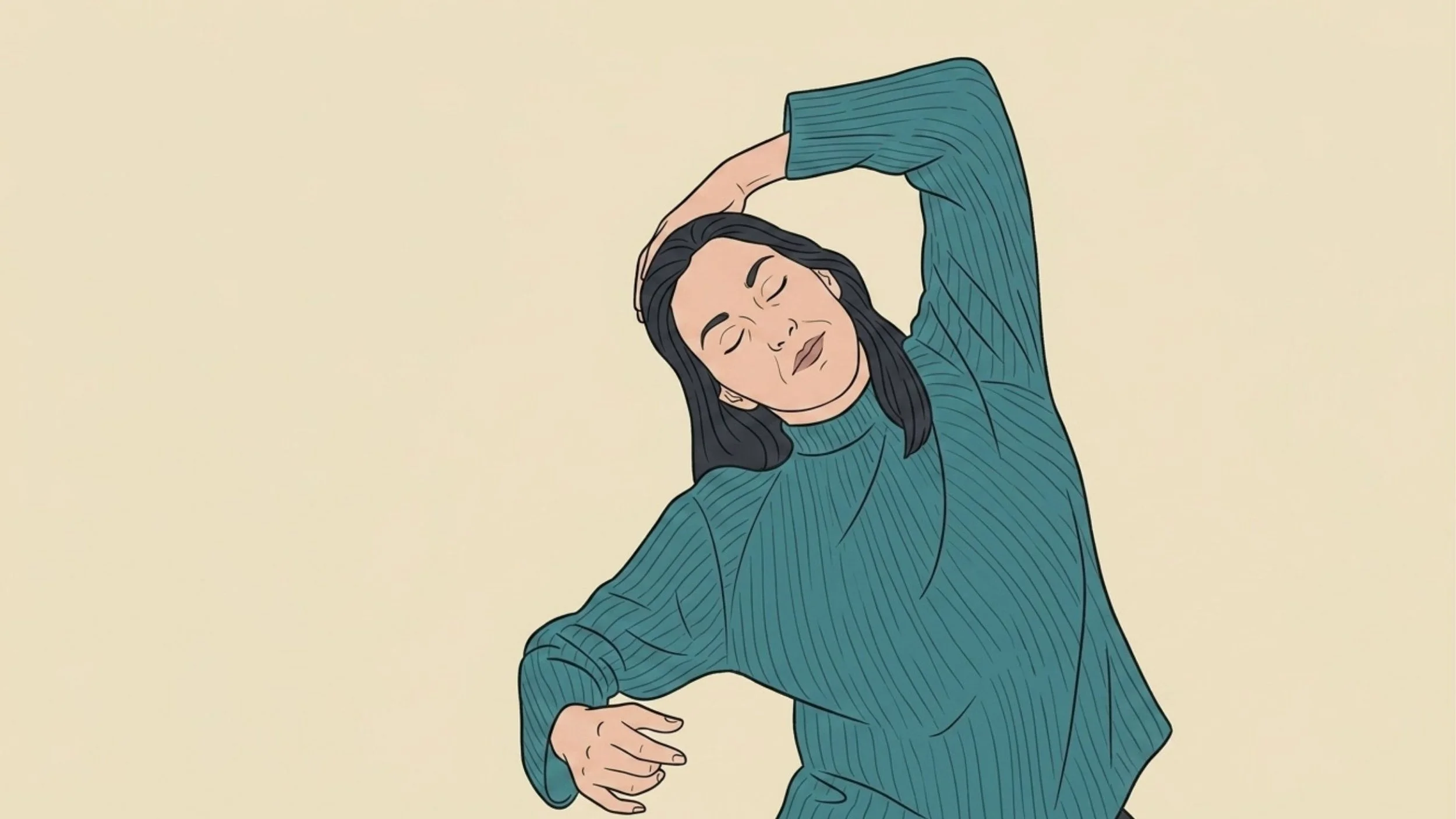
Stress is not the enemy. In some situations it serves you well, energising the body to meet a challenge or sharpening your focus. The difficulty comes when the stress response stays switched on after the trigger has passed, and a temporary state settles into a habit of tension in body and mind.
That habit has a shape. Fear of falling, which is rooted in the vestibular system, activates protective reflexes: contraction in the neck, the chest, the hips. Anxiety often shows up as a clenched jaw, tight neck and shoulders, lower back pain or shallow breathing. Held long enough, these patterns stop feeling like responses at all and start feeling like you.
Movement and emotion are closely linked. Emotional and physical pain activate the same region of the brain, the anterior cingulate cortex, which sits in the limbic system and handles emotion, motivation and motor control. Moshe Feldenkrais observed that emotions are felt in the body as impulses from the organs and muscles, which the brain then interprets based on past experience.
This is why gentle movement can reach things that thinking about them cannot. By examining and reorganising how you move, you also work on the patterns of thought and emotion that travel with them. The point is not simply to remove a stress habit, but to have a healthier alternative available.
Working with the nervous system through the rest of you:
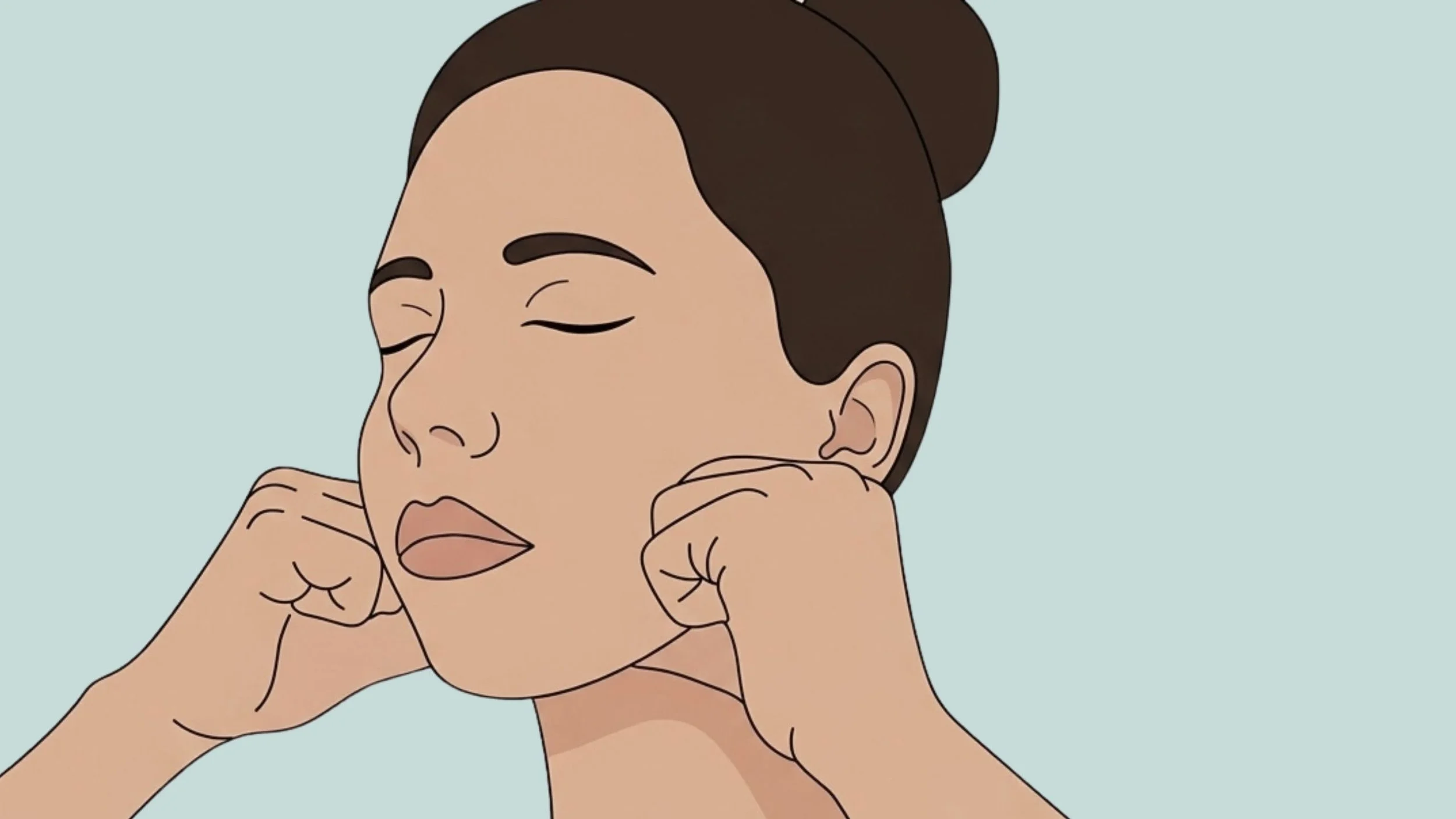
Nervous system work rarely happens in one place. The patterns show up wherever you happen to hold them, which is why so many of the lessons that settle the system do not look like stress work at all.
The jaw, eyes and face are a common holding site, and lessons there often release tension in the lower back, hips and shoulders too. Coming to Your Senses works directly with stress patterns found in the eyes, jaw, ears, face, and neck. Habitual tension also shapes how you hold yourself upright, which connects to the posture page, and the fear of falling that limits so many people's walking connects to the walking page. Stress patterns reach the pelvis too, which is covered on the pelvic floor page.
Explore Our Audio Lessons
If you would like to try something before committing to a course, the audio lesson library has complete Awareness Through Movement lessons, not samples, so you get a real feel for what the longer courses are like.


This lesson is a Feldenkrais® approach to practicing the ability to settle the body. The lesson utilizes the powerful effect that calming the hands can have on our whole system, including our eyes. This has become one of the most listened to lessons in my library. It was recently described to me as “pure magic … it cures my migraines without fail.”
If you resonate with the lesson, you may be interested in these self-paced Feldenkrais courses: Coming to Your Senses Feldenkrais® Series, Soften the System Feldenkrais® Series, Sensing Subtlety and Satisfaction Feldenkrais® Series, and Unraveling Body Anxiety Feldenkrais® Series
Class library membership
The Feldenkrais and Yoga Class Library gives you ongoing access to the whole collection instead of buying courses one at a time. New classes are added weekly, so you can move between nervous system work, posture, walking, the pelvic floor and anything else as your needs change.
About Sarah: Sarah Baumert is known for her thorough and diverse instruction and her dedication to holding space for individual personal discovery. She facilitates whole body alignment in her students as a way for them to access balance, strength, mobility and physical clarity. Through sensory rich movement experiments, she guides students in cultivating mindfulness and deepening their learning process.
Her experience includes working with people suffering from chronic pain, injury, illness, and other forms of dis-ease. She works with a variety of populations including athletes, seniors, artists, dancers, children, and those recovering from injury, using pain management, and alignment. Sarah is a certified Yoga Therapist, an Authorized Feldenkrais Awareness Through Movement® Teacher and Feldenkrais Functional Integration® Practitioner. Her objective is to acquire the most effective skills for helping her students live with less pain and more pleasure in their bodies.
Testimonials
What people are saying about Sarah's teaching and this course
“It just felt like liquid. It was a very beautiful feeling. I just wanted to continue doing it.” - Jane
“I felt vibrations through me. It felt vital, but very peaceful.” - Jill
“ I was able to notice how much pressure and tension I carry in my hands even when I am not trying to. If I carry that pressure all day long without knowing it, no wonder I am so tired at the end of the day. So that was really significant and powerful.” - Helen
”I have never, ever felt my hands and lower arms as I did at the end of class tonight. They were glowing in a fuzzy, pleasant way. I can’t describe it otherwise.” - Linda
”I am so grateful that you continue to provide these life giving, body strengthening and soul nurturing classes. They are like an inner meditation for every cell in my body!” - Rosie
”After I switched to the ‘regular’ yoga class, I realized I missed how I felt during and after Feldenkrais. I experience an ease of being, a soft wholesomeness, in Feldenkrais. I meditate most mornings, and I sometimes find that same stillness after Feldenkrais. Also, ease of movement: I am always struck at how gracefully I can move a limb compared to how the limb starts out.” -Elizabeth
”I find your classes to be exceptionally supportive and illuminating, and I’ve so benefitted from the learning and the unlearning I’ve experienced. Drop by drop, this practice and what I’ve received from your teaching have radically changed how I am in my body and in my life. These online Feldenkrais courses have become some of my favorite practices ever, and I’m excited every time you propose a new series.” - Betsy
”After these lessons, I often feel like I am “floating”. I continue to realize, in real time and activities like walking, the connection between all parts of my body….the supple power that moves up and down my spine, from my head to my pelvis. - Helen””
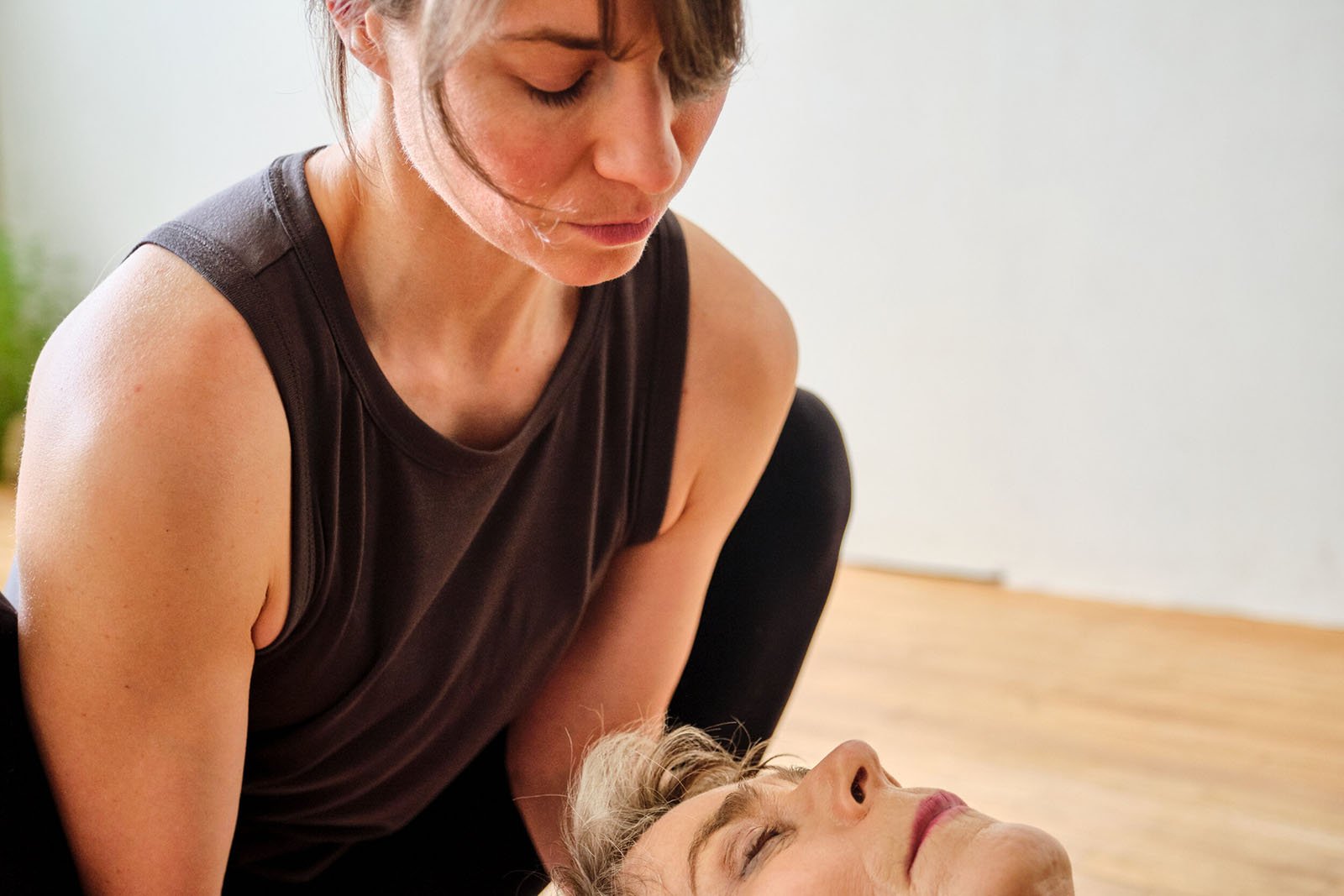
This is a non-judgemental, non-corrective way to experience your body in motion. Nothing is forced, nothing is held, and noticing what feels good is part of the point. Lessons suit all levels and move through a range of positions, mostly lying on the back or side.
If any of this sounds familiar, whether the tension never quite leaves your jaw and shoulders, relaxing on demand has never worked, or you are tired of managing stress from the neck up, it might be time for a different approach. Take twenty minutes, lie down, and start by noticing what is already there.
Frequently Asked Questions
-
Feldenkrais supports nervous system regulation by offering gentle movement experiences that engage several senses at once and build awareness. Slow, exploratory movements provide sensory input and help the system shift out of habitual patterns, particularly those tied to tension, stress or imbalance. It is movement education rather than medical treatment.
-
It means being able to shift between states like stress and relaxation with more ease, and to come back to a calm, grounded place after being activated by a challenge, an emotion or sensory input. A regulated nervous system is not one that is always relaxed. It is one that is adaptable, responsive and resilient.
-
Interoception is the ability to sense what is happening inside your body, such as your heartbeat, hunger, breath, tension or fatigue, through communication between the brain and internal organs along pathways including the vagus nerve. Feldenkrais lessons develop it by inviting you to notice subtle sensations that usually go unnoticed: how your breath flows, where you hold tension, which movements feel smooth or restricted.
-
Anxiety is often tied to uncertainty about what lies ahead, and it creates a cycle of tension that affects body and mind, frequently showing up as a clenched jaw, tight neck and shoulders, lower back pain or shallow breathing. The lessons work from the body upward, using small, comfortable movements to invite ease and awareness rather than force change. This can support anxiety management alongside any care you are receiving, and is not a replacement for mental health treatment.
-
Meditation and breathwork usually work with attention or the breath directly. Feldenkrais works through movement, which gives the nervous system something concrete to sense and compare. Rather than relaxing from the outside in, you explore how you function from the inside out, and the change comes from your attention and noticing a difference rather than aiming for a state.
-
Two to three sessions a week is a good place to start, and even 10 to 20 minutes a day builds consistency. Because the method is gentle, you can practice often without straining. The quality of your attention matters more than the time you spend.
-
No experience is needed. Most lessons need only a firm surface to lie on, something to support your head, and a quiet stretch of time where you are unlikely to be interrupted.