

Feldenkrais and Posture
Gentle Exercises to Improve Your Posture
Most posture advice starts with the same instruction: sit up straight, pull your shoulders back, and hold it. It works for as long as you remember. Then the old habit comes back, often with some new tension on top.
The Feldenkrais Method takes a different route. Instead of asking you to hold yourself in a better position, it works through attention and gentle movement, using the whole of you rather than one tired part. Your posture is not a position. It is how you navigate being upright with gravity, and it responds to your feet, your pelvis, your breath, your eyes and the way you carry yourself through a day. Change those relationships and your posture changes with them.
This page is a starting point. It covers what the method is, why letting go of effort often does more for posture than forcing it, and where to go next depending on what you are looking for.
“After the lesson I not only felt taller and lighter, but I felt inside my body a more optimistic outlook.”
What Feldenkrais posture exercises actually involve
The Feldenkrais Method is a form of movement education. There is no correct shape to arrive at and nobody adjusting you into one. Instead, you are given conditions in which you can notice how you are sitting, standing and moving, and find an easier option.
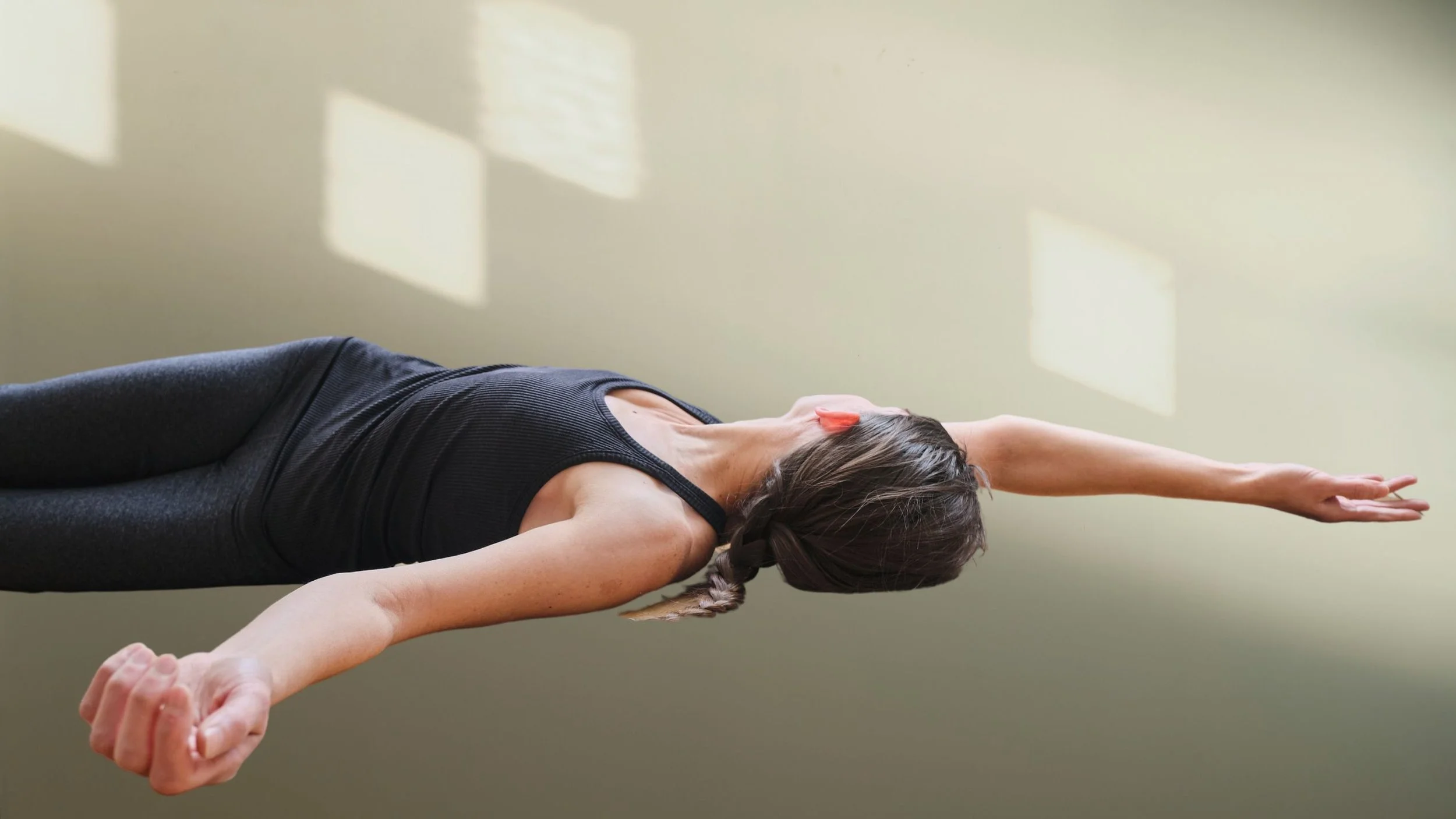
Most approaches treat posture as something to get into and hold. Feldenkrais treats it as a dynamic system, constantly adjusting as you sit, stand, turn your head, reach and walk. Lessons are verbally guided, slow, and smaller in range than most people expect. Many are done lying down, which takes the work of holding yourself up out of the equation. Others are done sitting and standing, so what you learn carries straight into daily life.
Over time, the tone you habitually hold in your muscles becomes what you think of as your posture. Feldenkrais lessons use guided awareness and small movements to help you shed the tone you do not need, so the skeleton can find a more supportive place to be. It is not uncommon to feel taller, and to stand more upright with less effort, after a single lesson.
Posture awareness comes before posture change
You cannot change a habit you cannot feel. Most people have no clear sense of how they are sitting or standing until something aches. The method's group classes are called Awareness Through Movement for this reason: they build posture awareness first, so you can notice when you are slumping, bracing or holding your breath, and find an easier option in the moment.
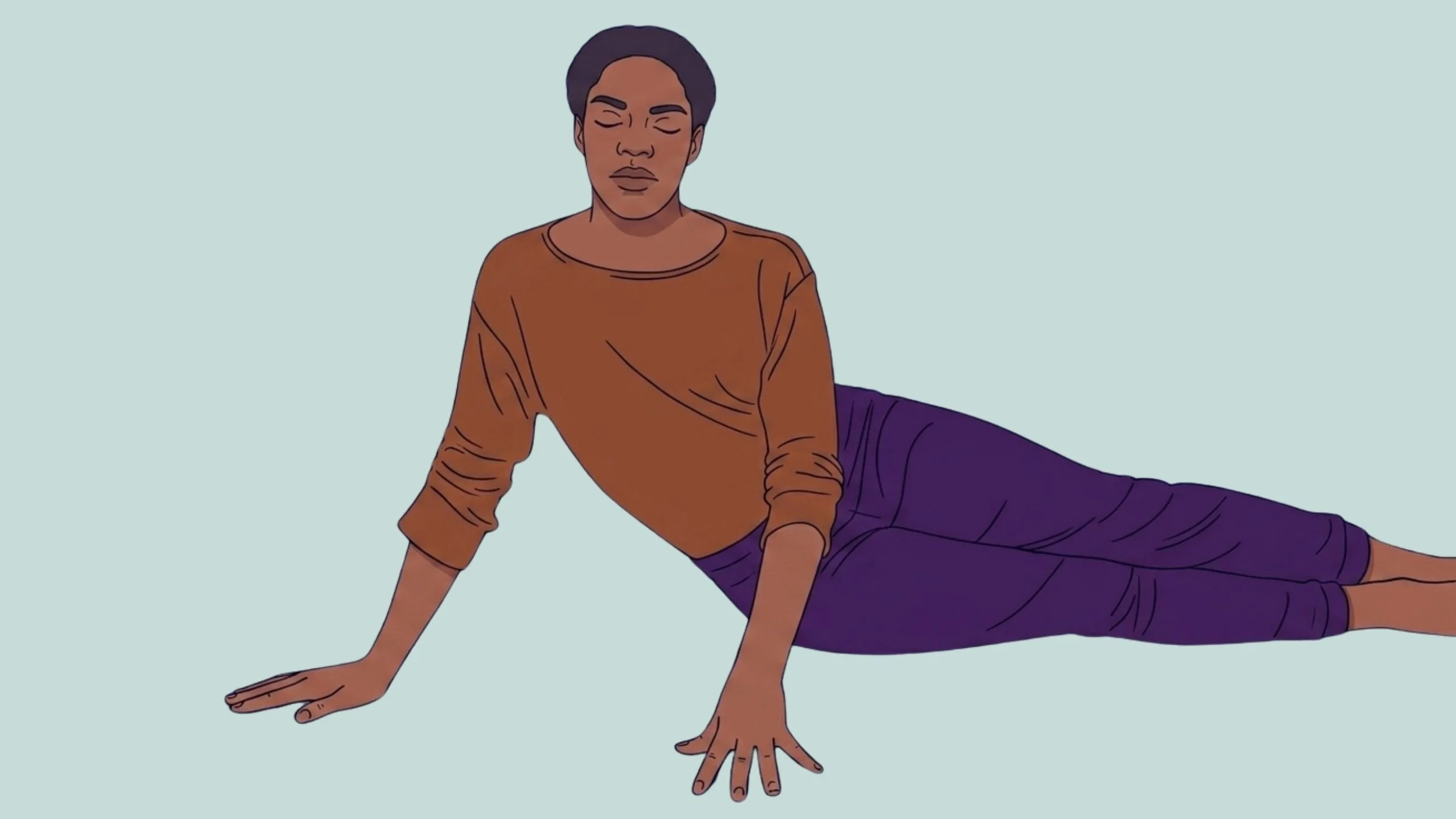
If you have never done a Feldenkrais lesson before, no experience is needed. You do not need to be flexible, fit, or familiar with any of the terminology. Here is what to expect in a Feldenkrais Awareness Through Movement lesson.
Why letting go of effort is the route to better posture
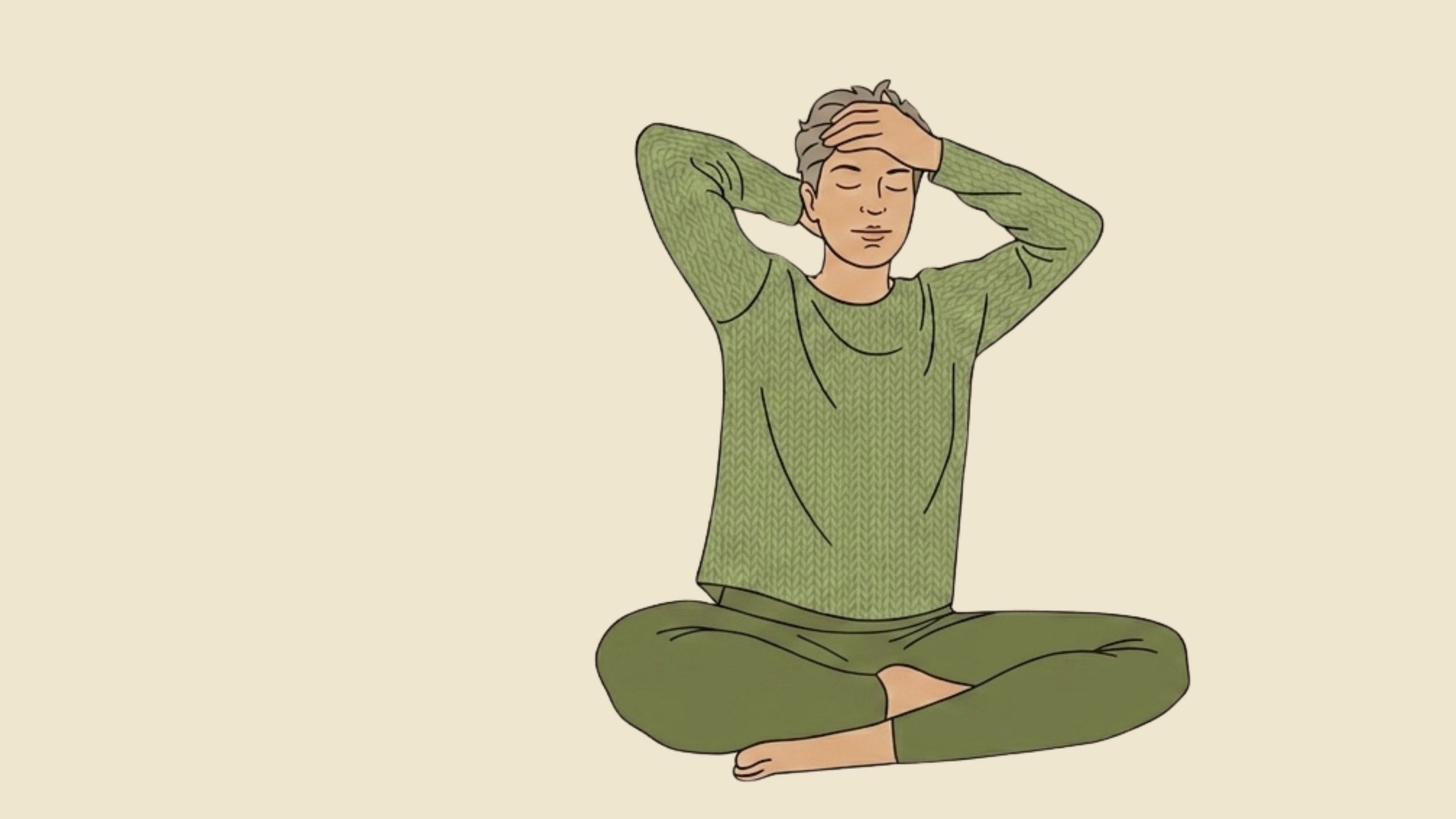
There is an assumption built into most posture advice that the problem is weakness, and the answer is to strengthen your back and hold yourself up. Sometimes that helps. But a body can also be doing too much: bracing the shoulders, gripping the neck and lifting the chest, all to stay upright against gravity.
It can seem strange to relax in order to stand taller. But muscles that are always working to hold you up tire and tighten, and they have less left for moving you. Your skeleton is far better suited to the job. When the skeleton takes on more of the load, the muscles are free to move you rather than hold you.
So the practice is not about pulling the shoulders back or lifting the chest. It is about becoming aware of the unnecessary effort you use to stay upright, letting it go, and finding support from below, through your feet, pelvis, and spine so your head can balance with less work from your neck.
If you have been trying to sit up straight for years and it has never stuck, this distinction is worth sitting with.
That usually means:
Reducing effort until the movement is easy enough to be interesting
Letting support come up from the feet, pelvis, and spine rather than holding the shoulders back
Exploring movements sitting, standing, and lying on your back, side and front
Noticing your habits rather than trying to fix a shape
Resting between movements so the change has time to register
None of this asks you to push through discomfort. Better posture turns up as a result of moving better. It is not a position you have to police.
“A good posture is to be able to move in any direction or form without hesitation.”
Related Podcasts
If you would rather listen than read, these episodes cover the same ground in Sarah's own words.
Episode 95: Posture as A Dynamic System: A Feldenkrais® Approach to Posture
A podcast in two parts. First, I will be talking about posture as a dynamic system explaining how a Feldenkrais approach to posture restoration is different from other modalities. Then we will go into an abbreviated Feldenkrais lesson.
Episode 67: Treat Yourself Shoulder Release in Sitting
This class is a mini Feldenkrais® Awareness Through Movement lesson that you will do sitting in a chair. No other props will be needed, so please take a moment to find a stable chair with a flat sitting surface.
Go deeper with the full courses:
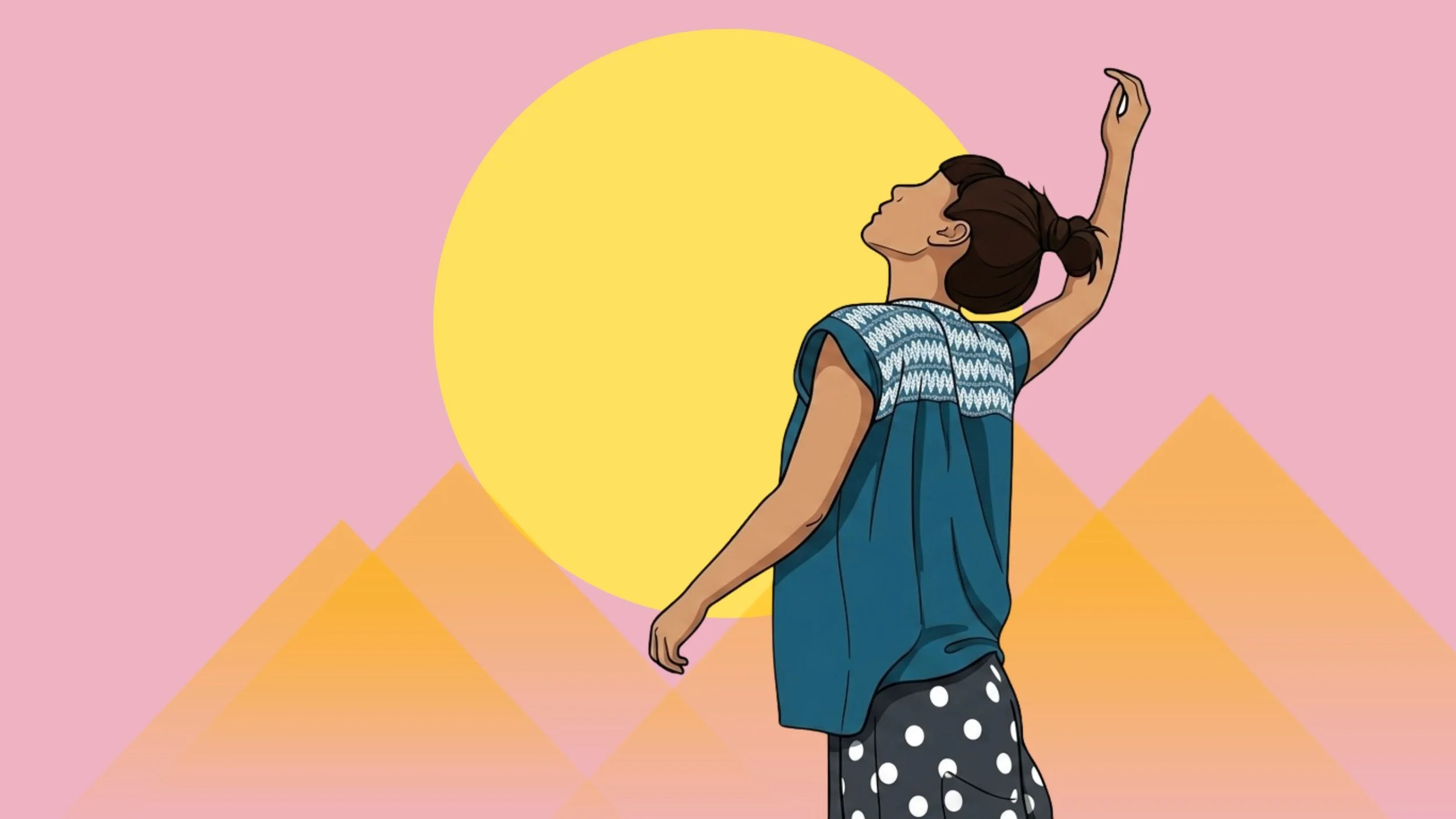
Posture Matters Feldenkrais Course
Posture Matters takes everything on this page and builds it into a complete online posture course. You will work to free the neck, shoulders, chest, spine and jaw through lessons in sitting, standing and lying positions, each recorded in two variations, with short anatomy talks that show you what you are working with. It is self-paced, you keep the recordings, and you can return to any lesson whenever your posture needs it.
“After this lesson I feel super mobile inside and like I could do anything, like the lines and the mobility can stay.”
Other Posture Focused Feldenkrais Courses:
Organizing the Head and Neck:
Feldenkrais Course
In this gentle series we will explore how to let the crown of your head feel effortlessly "suspended" from above while building natural, solid support from below. Instead of fighting your body, you’ll learn small, comfortable movements that melt away chronic tightness, leaving you feeling lighter, fully supported, and comfortable.

Extend Yourself:
Feldenkrais Course
In this course, you will learn to develop elegant and efficient posture that supports your spine and overall health. Learn how to evenly distribute your effort throughout the spine and limbs for efficiency and elegance in your posture, and discover the safety, strength and coordination of your back muscles.
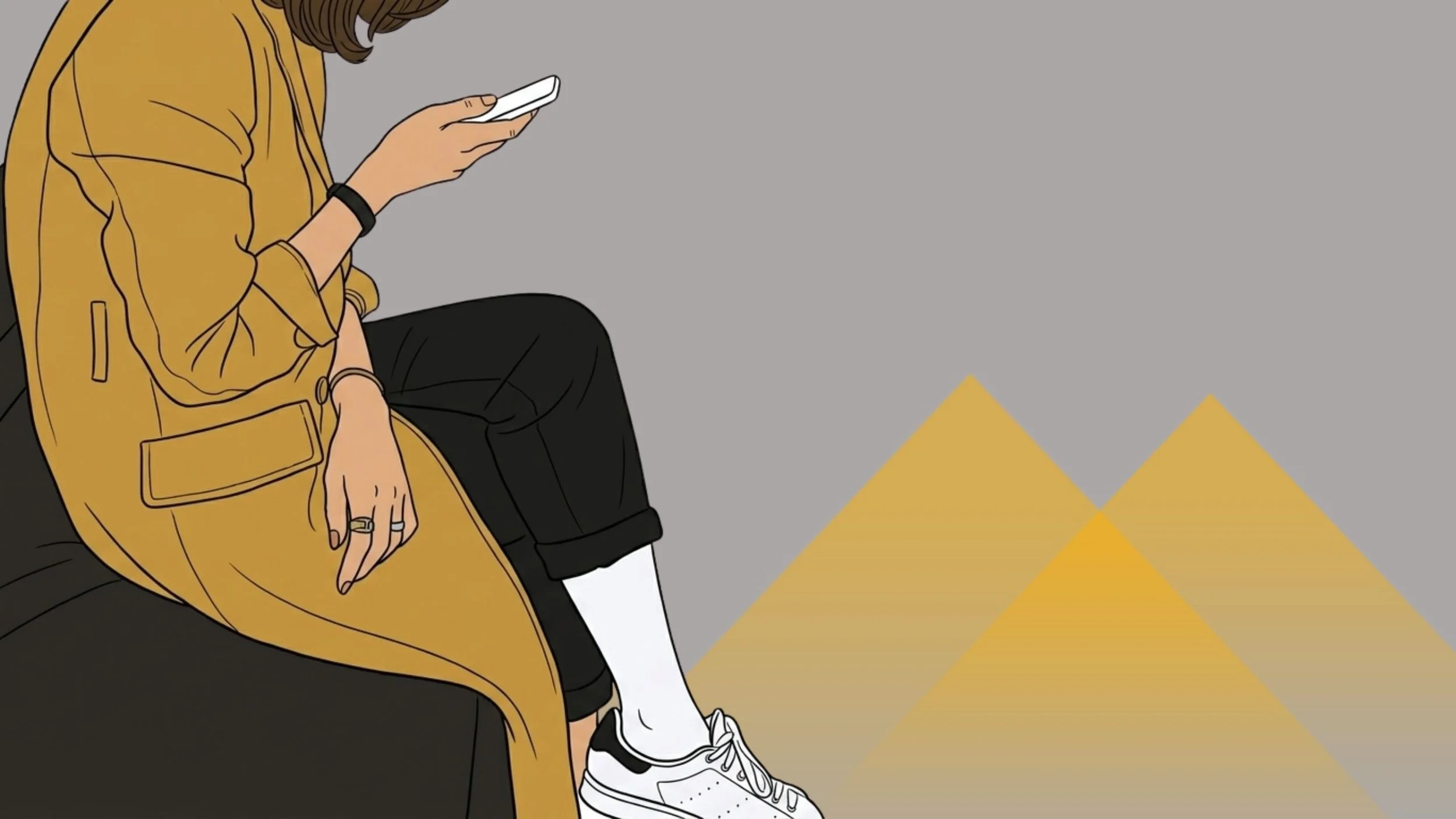
Freeing the Neck and Shoulders:
Feldenkrais Course
Lessons to free your neck, shoulders and whole body from screen fatigue, the habit of looking forward and down, and the stiffness that comes with a busy modern life.
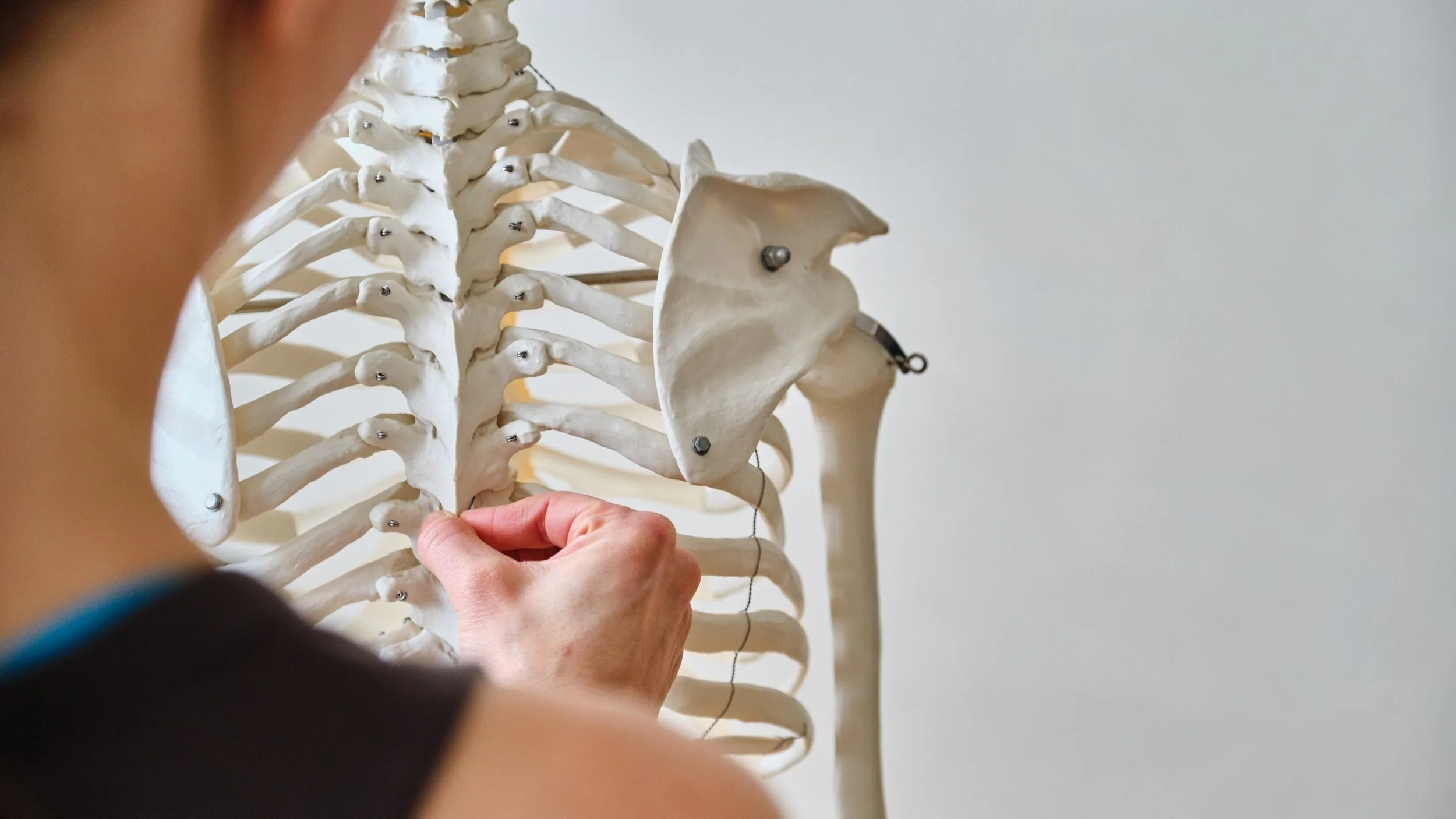
Your Creative and Coordinated Spine: Feldenkrais Course
Learn to spread effort evenly along the spine so that bending, twisting and extending feel easier, and untangle the overuse patterns that make sitting and standing uncomfortable.
Posture Related Yoga + Feldenkrais Blended Course:

A Tactile Spine: The Blending of Yoga & Feldenkrais
Specific to this series, we use a small bolster to awaken the upper thoracic, lower thoracic, and lumbar spine as the warm up for each class. We then use this tactile information and bring it into seated and standing poses for the last part of class.
In these sessions, we will transform your posture by bringing mindful awareness to the spine and the back space. By releasing areas that feel physically stuck, mentally tight, or emotionally restricted, you will rediscover a natural, upright ease.
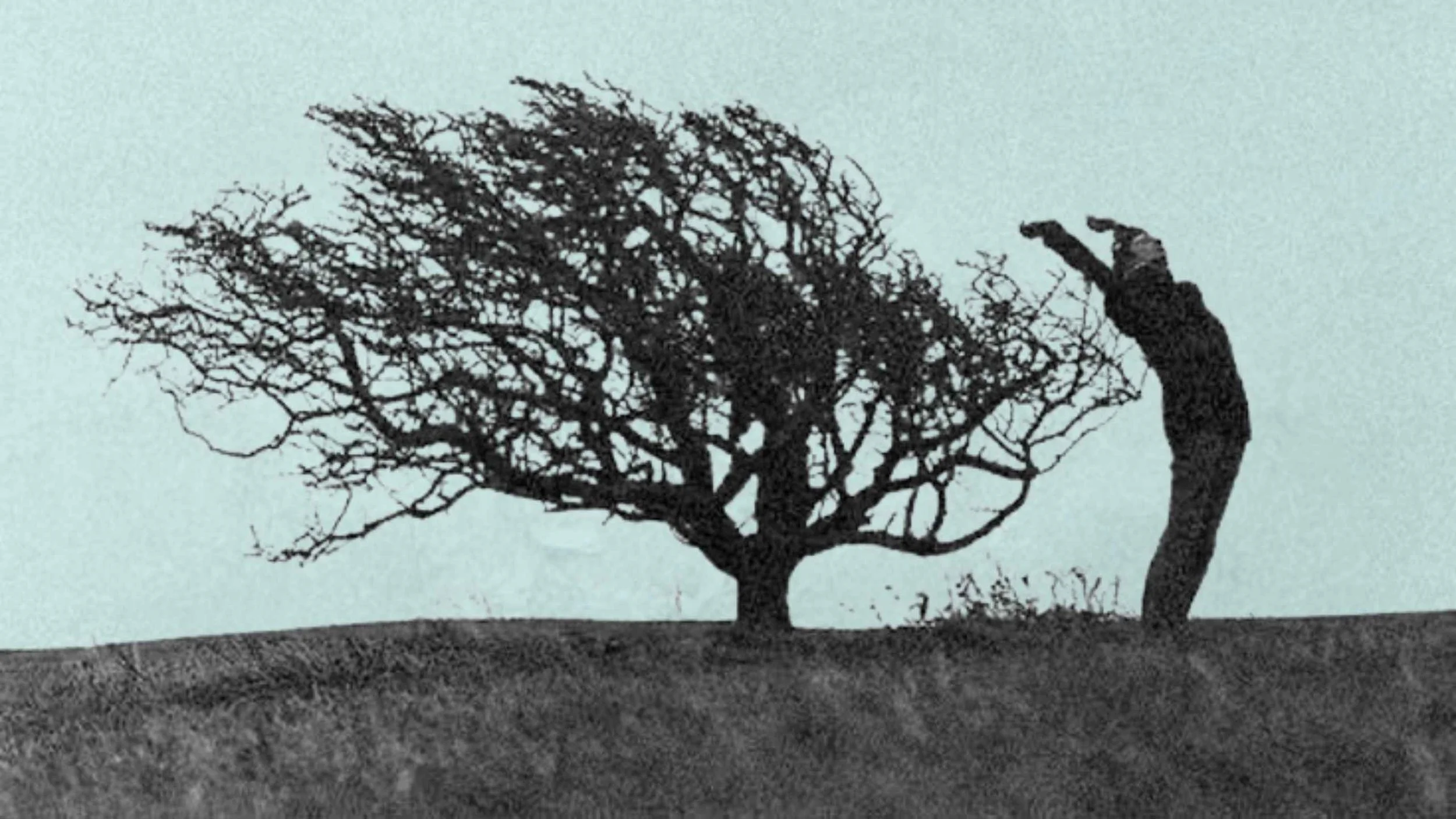
Strength, Stability and Balance: The Blending of Yoga & Feldenkrais
In many yoga traditions, the teaching emphasis is on perfecting shapes (poses) and isolating movement at specific joints. In this blended class, attention is focused on treating your body as a connected system, moving beyond isolated exercises.
The first part of class will focus on functional mobility and strength as we practice balance, stability, and the ability to feel upright in standing. The last half of class will bring us into a softer place, with mindful movements for releasing tension, and pain.
Understanding the Difference: Yoga, Feldenkrais, and Posture
Yoga and the Feldenkrais Method® both build a deeper connection to your body, but they think about posture differently. In yoga, a posture is usually an asana: a shape to move into, align and hold, often with the teacher demonstrating what it should look like.
A Feldenkrais® Awareness Through Movement class has no shapes to copy. The teacher rarely demonstrates, and the whole class is verbally guided, so your attention stays on what you feel rather than how you look. Posture is treated as something that emerges from how you move, not a position you arrive at.
Sarah's Yoga + Feldenkrais Blended Classes bring the two together. You still work with familiar yoga poses, but you use Feldenkrais principles to find them with less effort, adapt them to your own body, and carry the ease you discover into the way you sit and stand afterwards.
Why Choose the Blended Class?
If you like having a visual model to follow, or you want the familiarity of yoga without the pressure of perfect poses, the blended format gives you both.
See the difference for yourself:
How posture works and what holds you up:
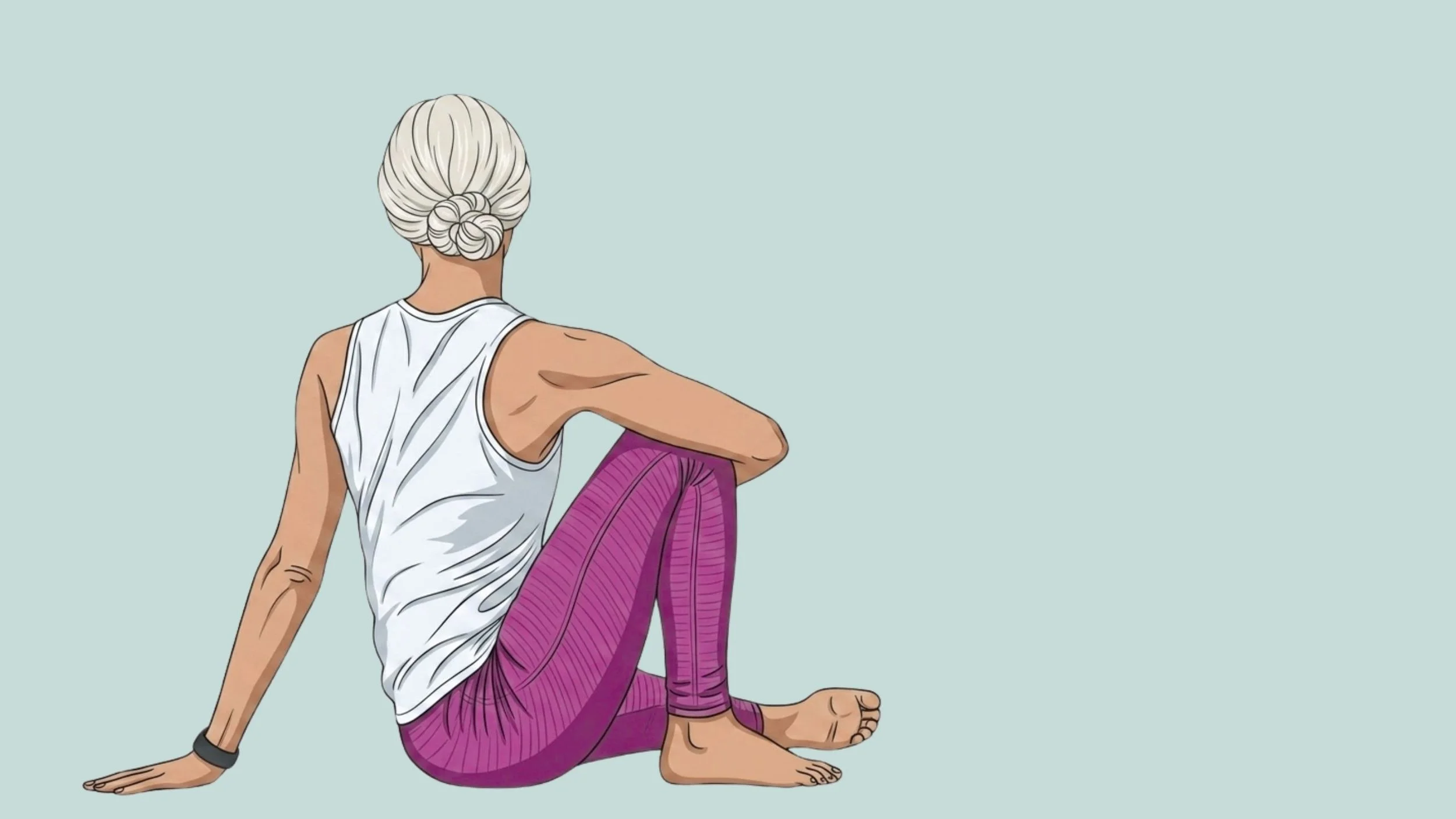
Posture is how you organize yourself to be upright in gravity. It is not only how you stand when someone tells you to stand up straight. It is how you sit at a desk, how you look at your phone, how you carry your shopping and how you turn to see behind you.
Your skeleton is designed to take the weight. Stacked well, the bones pass force down through the spine, pelvis and legs into the ground, and the muscles are left free to move you. When the skeleton is not doing its share, the muscles step in to hold you up, and that holding is what you feel as a stiff neck, tight shoulders or an aching lower back.
The head is a big part of the picture. It is heavy and it sits at the top of the stack, so when it drifts forward, the neck, shoulders and upper back have to work much harder to keep it there. A healthy posture is not rigidly upright. It has a range of options available and responds to what you are doing.
“Although we each have a fantastic skeleton and musculature designed to give us flexible support and hold us upright against the pull of gravity, we frequently develop postural habits that challenge our skeletal structure’s effectiveness and cause muscular tension inflammation, and a gradual deterioration of our joints.”
Your eyes, head and posture move together
Where your eyes go, your head follows, and where your head goes, the rest of you organizes around it. Look down at a screen for long enough and the whole body shapes itself around that direction of gaze.
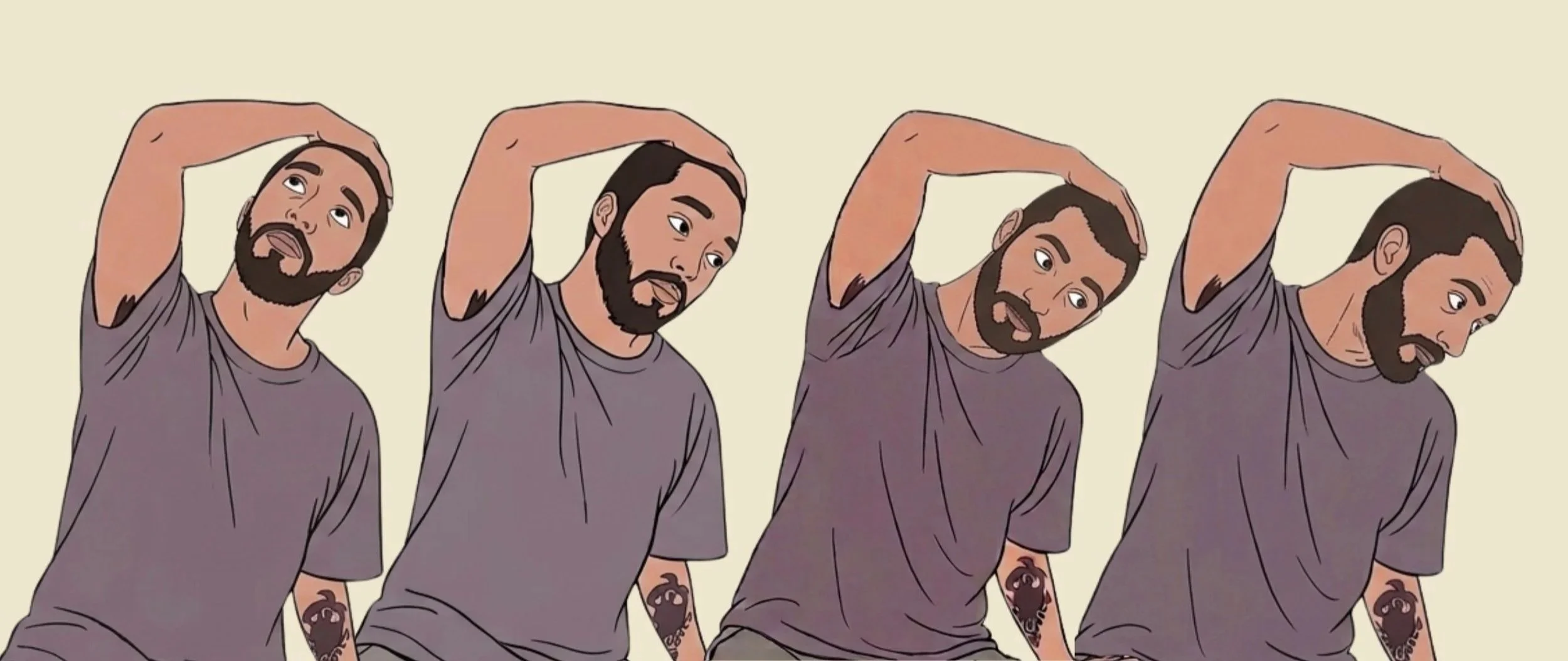
This is why many posture lessons work with the eyes and the head as well as the spine. Rather than instructing the neck to hold a better position, lessons use the direction of your gaze, the turning of your head and the movement of your ribs and chest to bring awareness to how you are organized, and to give you new options.
Habits, stress, and what sitting does to posture

Everyone has habitual ways of doing things. Some are obvious, like the shoulder you always carry your bag on. Others are much harder to detect, like pushing your head slightly forward every time you concentrate.
Posture is built from habits like these. Long hours at a computer and looking down at a phone pull the head forward, round the upper back and load the shoulders. Collapsed sitting becomes the default, and the neck, shoulders and chest tighten to hold it there. None of us are immune to it, and tension in the neck and shoulders from the head sitting forward is one of the most requested topics Sarah gets from students.
Posture also responds to stress and emotion. How you feel shows up in how you hold yourself, and how you hold yourself feeds back into how you feel. A collapsed posture and a low mood tend to travel together. As your posture improves, you may find your attitude and emotional state improve with it, which is why the Posture Matters course carries the subtitle Change Your Posture, Change Your Mood.
Almost nobody is taught how to sit well, so most of us learn it by default, at a desk. That is where many posture habits are formed, and where a lot of the work begins.
Improving posture through the rest of you:
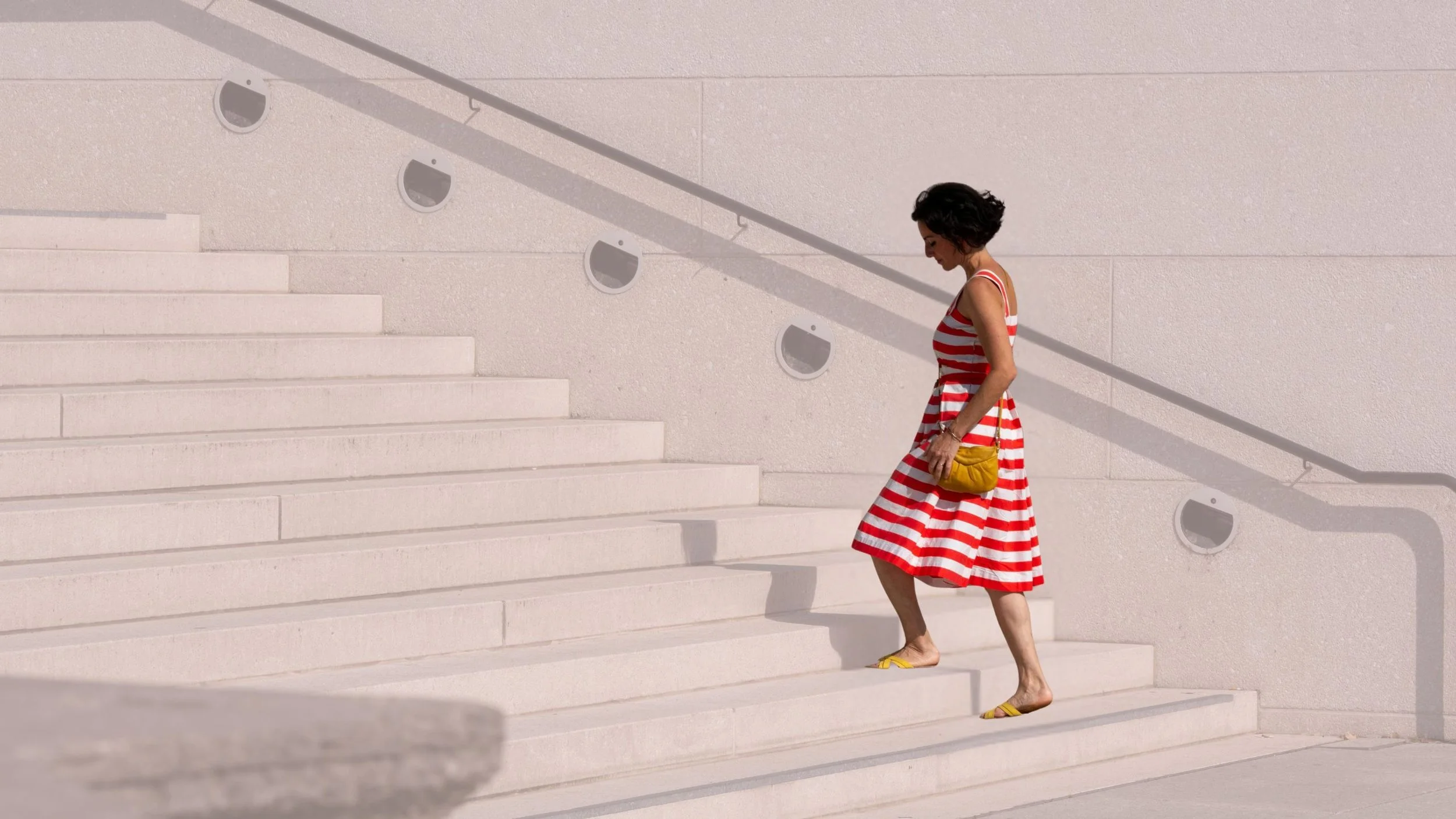
Better posture rarely comes from working on the neck and shoulders alone. “No correct posture is possible without the pelvis being able to move freely in all its articulations” -The Potent Self
Neck and shoulder tension is usually where people feel their posture. It is rarely where it starts. If the feet are not responsive, the pelvis cannot move freely. When the pelvis cannot move freely, the spine compensates, and by the time that reaches the top of the body, the neck and shoulders are working hard just to keep the head balanced.
This is why a lot of the most effective work for posture does not look like posture work at all. The pelvis plays a bigger part than most people expect, and it connects directly to the pelvic floor. If you want to start from the ground up, The Walking Series begins with the feet and works up to the head.
Explore Our Feldenkrais Audio Lessons
If you would rather try something before committing to anything, there is a library of Awareness Through Movement audio lessons on the site. These are complete lessons rather than samples, and they are a fair representation of what the longer courses feel like.
Because we live on earth, we are subject to the constant downward force of gravity. Gravity interacts with our skeleton, our postural habits, and our movement in ways that can cause compression of our spine. With time, our spine actually becomes shorter. This lesson is the first series in the Posture Matters course, the beginning of our practice to find length in the spine and feel the potential for getting taller. This is a back lying lesson. Please have a folded towel or blanket for underneath your head, if it is needed to help bring your neck to a more neutral placement while lying on the back.

This short Feldenkrais audio lesson uses the pubic bone, tailbone, and hip joint creases as key anatomical points of reference. You will learn to sense your hip joints as an integrated part of your pelvis while deepening awareness from your pelvic floor outward.
Perfect as a standalone practice or as a sample of what’s to come, this lesson offers a preview of the gentle, refined explorations featured in the full Pelvic Floor and Deep Core Rapport Series.

This lesson is a Feldenkrais® approach to practicing the ability to settle the body. The lesson utilizes the powerful effect that calming the hands can have on our whole system, including our eyes. This has become one of the most listened to lessons in my library. It was recently described to me as “pure magic … it cures my migraines without fail.”
If you resonate with the lesson, you may be interested in these self-paced Feldenkrais courses: Coming to Your Senses Feldenkrais® Series, Soften the System Feldenkrais® Series, Sensing Subtlety and Satisfaction Feldenkrais® Series, and Unraveling Body Anxiety Feldenkrais® Series

Using subtle, guided physical movements, this Feldenkrais practice trains your brain to shift between narrow sensory detail and broad spatial awareness. We bring attention to the center, deep within the bowl of the pelvis, and practice initiating all movement from this place.
Perfect as a standalone practice or as a sample of what’s to come, this lesson offers a preview of the refined explorations featured in the full Focused Body Series.
Class library membership
The Feldenkrais and Yoga Class Library gives you ongoing access to the whole collection instead of buying courses one at a time. New classes are added weekly, so you can move between posture, neck and shoulders, walking, the pelvic floor and anything else as your needs change.
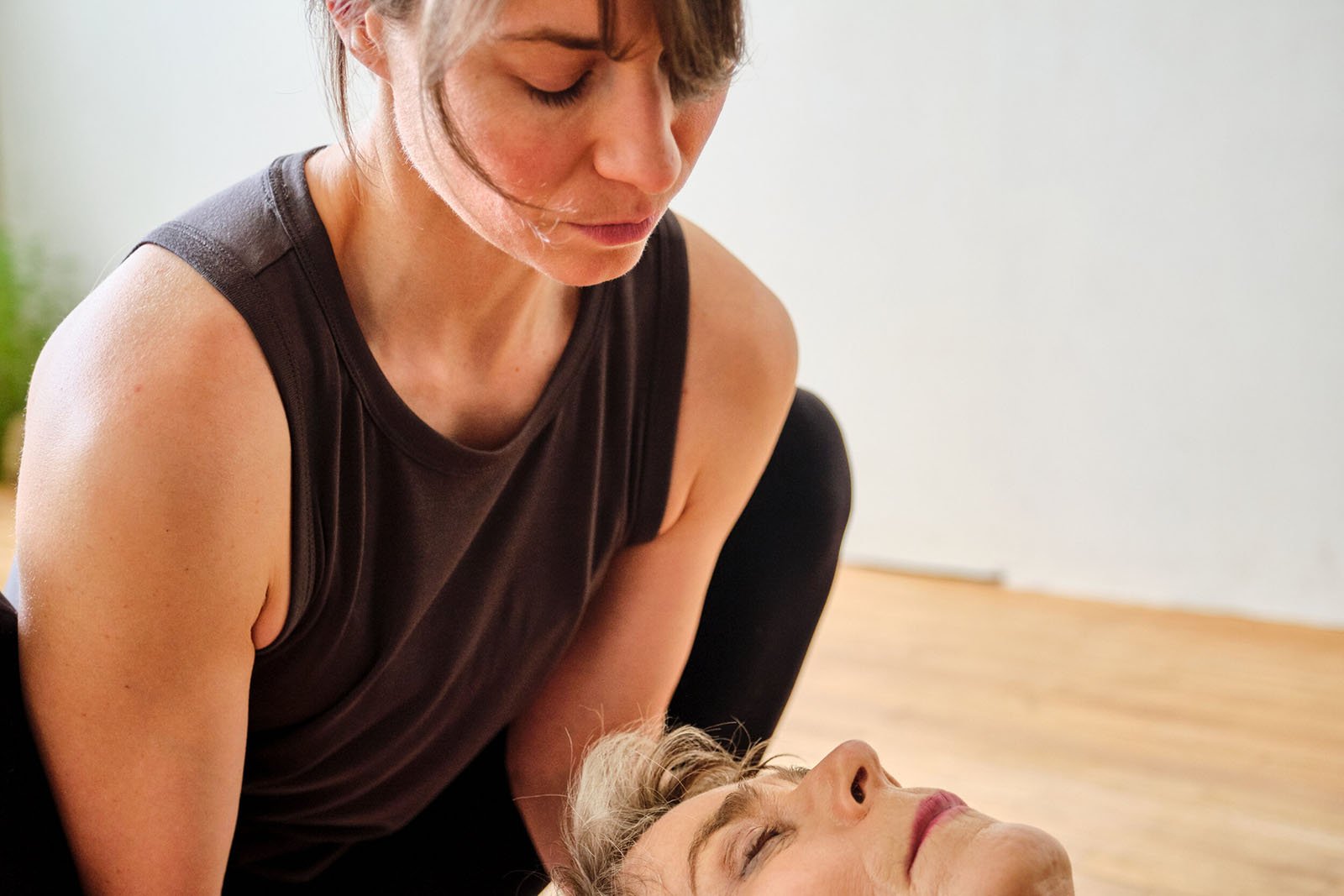
About Sarah: Sarah Baumert is known for her thorough and diverse instruction and her dedication to holding space for individual personal discovery. She facilitates whole body alignment in her students as a way for them to access balance, strength, mobility and physical clarity. Through sensory rich movement experiments, she guides students in cultivating mindfulness and deepening their learning process.
Her experience includes working with people suffering from chronic pain, injury, illness, and other forms of dis-ease. She works with a variety of populations including athletes, seniors, artists, dancers, children, and those recovering from injury, using pain management, and alignment. Sarah is a certified Yoga Therapist, an Authorized Feldenkrais Awareness Through Movement® Teacher and Feldenkrais Functional Integration® Practitioner. Her objective is to acquire the most effective skills for helping her students live with less pain and more pleasure in their bodies.
Testimonials
What people are saying about Sarah's teaching and this course
“I had a moment where I was feeling being propelled by my pelvis and it was so distinct. Everything felt easier, just less effort. And I was shocked when I got to standing and how tall and light I felt! It just felt like gravity in the room was different. Because that is always difficult and it was actually kind of easy in a way.”
”Wonderful lesson! My scapulae were lower afterwards and my neck longer from mid-sternum on up through throat into head!”
”I feel like I want to dance after that”
”After this lesson I feel super mobile inside and like I could do anything, like the lines and the mobility can stay.”
”I especially like what you said at the beginning, to allow us to let go of expectations and to drop into a beginner’s mind. I’ve done enough Feldenkrais now that I know I am going to be prompted to try to feel certain things. But these ideas of being curious and letting things happen, and letting go of some control… Wow, I am always surprised at how much I need this every time. I appreciate these classes so much.”
This is a non-judgemental, non-corrective way to experience your body in motion. There is no posture to get right and no shape to hold. You learn at your own pace, and lessons suit all levels, moving through sitting, standing, and lying on your back, side and front.
If any of this sounds familiar, whether sitting up straight has never stuck, stretching has not shifted the tension in your neck and shoulders, or posture advice has only ever left you feeling more rigid, it might be time for a different approach. Give it twenty minutes and see what changes when you stop holding yourself up.
Frequently Asked Questions
-
Yes. Most people hold the body with a habitual tone in the muscles, and over time that tone becomes their posture. Feldenkrais lessons use guided attention and small movements to help the body let go of the tone it does not need, so the skeleton can take on more of the work of holding you up. It is not uncommon to feel taller and more upright, with less effort, after a single lesson. It is movement education rather than medical treatment.
-
They are slow, gentle, verbally guided movements, usually small in range, done lying down, sitting or standing. Rather than repeating an exercise to strengthen a muscle, each lesson explores a movement in different ways so you can find the easiest way to do it. The teacher rarely demonstrates, so your attention stays on what you feel.
-
Posture correction usually means strengthening, stretching, or training yourself to hold a better position. Feldenkrais does not ask you to hold anything. It works on the habits underneath your posture, so an easier, more upright way of sitting and standing becomes available without constant effort.
-
The forward head position that comes from screens and long hours of sitting is one of the most common reasons people come to these lessons. Lessons for the head, eyes, neck, chest and upper back, many of them done sitting in a chair, work directly with those patterns.
-
Two to three sessions a week is a good place to start. Because the method is gentle, you can practice often without straining. The quality of your attention matters more than the time you spend.
-
No experience is needed. Most lessons need only a firm surface to lie on, something to support your head, and a stable chair with a flat seat for the sitting lessons.
-
The work is gentle and never asks you to push through discomfort, and you choose how much effort to use. If a movement is uncomfortable, make it smaller or rest. If you have a diagnosed condition or are recovering from an injury or surgery, check with your doctor or physical therapist before starting.