
Tech Neck: What Screens Are Doing to Your Head and Neck
If you spend your days looking down at screens, you probably try to fix your posture by pulling your shoulders back and sitting up straight. You make an effort to hold yourself upright because you know modern habits take a toll on your body. But after a few minutes, the strain returns, leaving your shoulders feeling tight and your neck tired.
This approach misses a fundamental truth about how our bodies works. Chronic neck and shoulder pain often comes from trying too hard to hold ourselves up with our musculature, rather than finding true support from proper skeletal alignment. Forcing a rigid shape creates internal conflict, turning posture into a constant fight against gravity.
In this post, we will explore how tech neck develops and how small, comfortable movements can help you move away from tension. You will discover how your spine, pelvis, and eyes work together to create an easy, effortless posture.
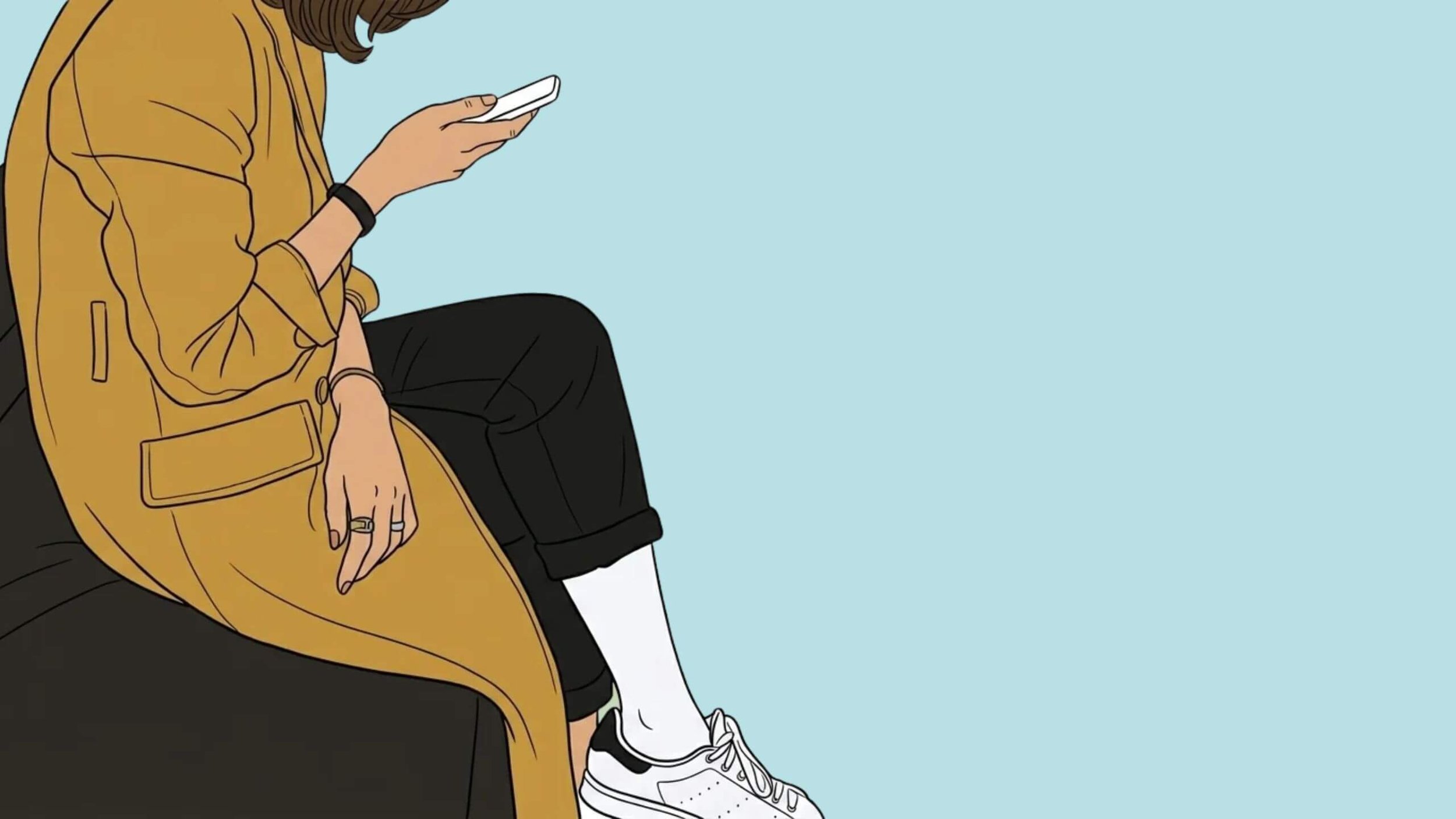
Tech Neck: What Screens Are Doing to Your Head and Neck
Tech neck is the strain and tightness caused by long hours of looking down at phones and computer screens. Modern life hazards mean none of us are immune to these aches and pains in the spine and neck. While we each have a skeleton and musculature designed to hold us upright against gravity, we frequently develop postural habits that challenge our skeletal effectiveness. Looking down for extended periods causes overworking muscles, tension, inflammation, and a gradual deterioration of our joints.
True relief does not come from forcing "good" posture or holding a stiff position. As Feldenkrais trainer David Zemach-Bersin notes, our habits often get in the way of our skeleton's natural design. Posture is not a rigid shape; it is how you navigate being upright with gravity. Instead of fighting your body, learning to use your skeleton efficiently allows your neck and shoulder muscles to finally stop overworking.
Spinal and Pelvic Support: Building from Below
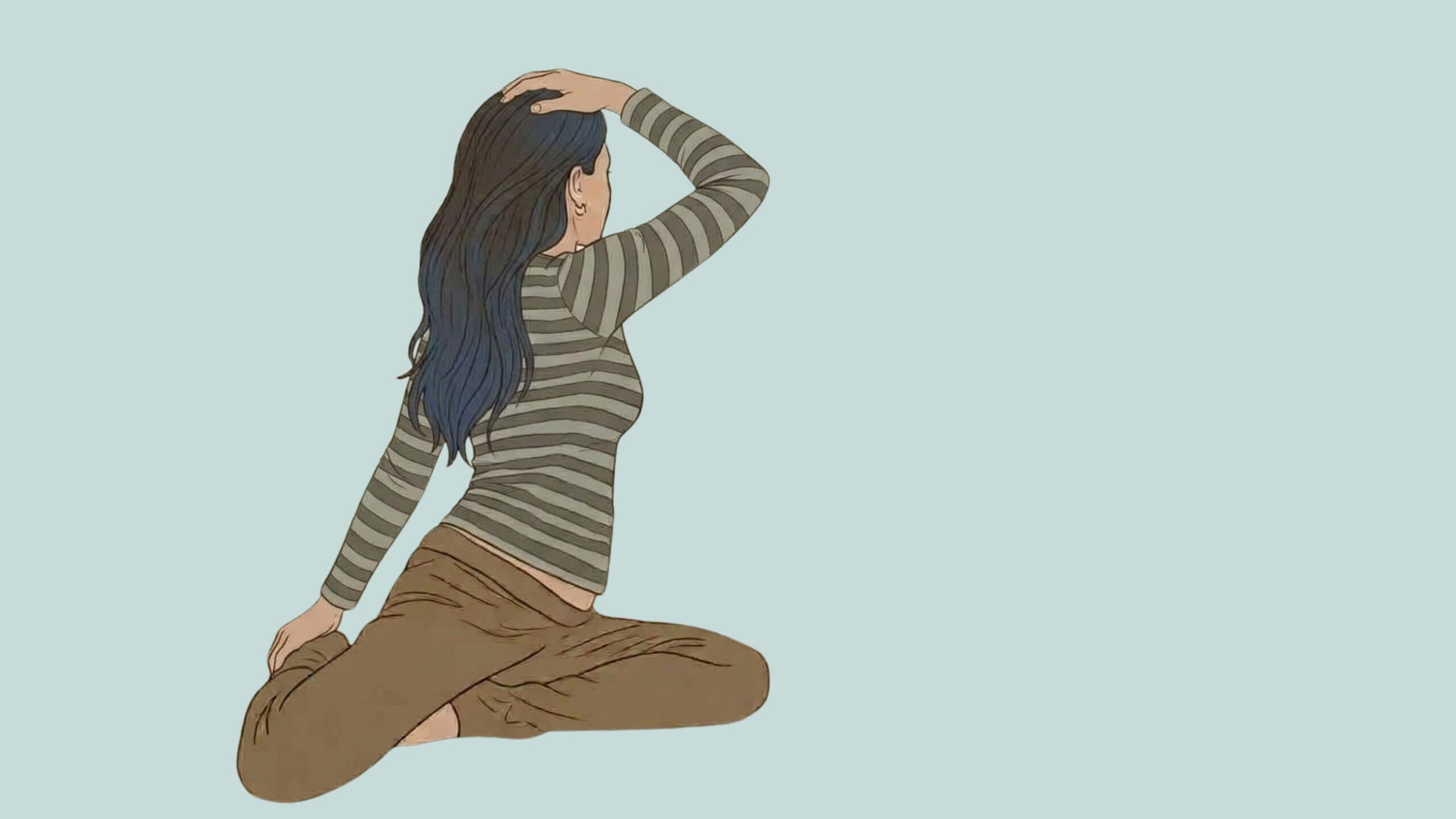
Your head cannot sit comfortably at the top of your body if it lacks solid support from below. Moshe Feldenkrais observed that “bad posture” is the external manifestation of an internal conflict—a sign that the relationships of support between the ground and the head are unclear or a little off. When you lack clear support, your neck muscles end up carrying weight they were never meant to hold.
Natural support begins in your feet when you are standing and mostly from your pelvis when you are sitting. This support then travels up through your spine. By connecting your head to your pelvis, your spine bears your weight naturally. You can also use the subtle space at the top of your spine, called the atlas, as a guide for upright support. This transforms how you sit, move, and rest, allowing the crown of your head to feel effortlessly suspended from above without collapsing into your hands or straining your lower back.
Uncoupling Eye and Neck Movement
Holding a close focus for long stretches—whether you're staring at a phone, working on a monitor, or buried in a book—forces your eye muscles into overdrive and locks your body into a rigid posture. This intense, narrow focus acts as a silent alarm for your nervous system, signaling that you need to stay in a high-stress, hyper-alert state. Over time, that constant state of alert restricts your breathing and dials up baseline tension across your chest, spine, and neck.
Shifting your gaze to a wider, longer focal length—like glancing out a window or looking toward the horizon—gives your visual system a chance to relax and expands your peripheral vision. That simple change sends a clear signal to your brain to downshift out of stress mode, calming your nervous system and allowing deep-seated tension in your ribs, upper back, and neck to finally release.
Feldenkrais lessons work directly with this practice, helping you integrate these visual shifts into whole-body awareness. To explore this work further, check out the series The Focused Body, Organizing the Head and Neck, and Coming to Your Senses.
The Connection Between Posture, Energy, and Mood
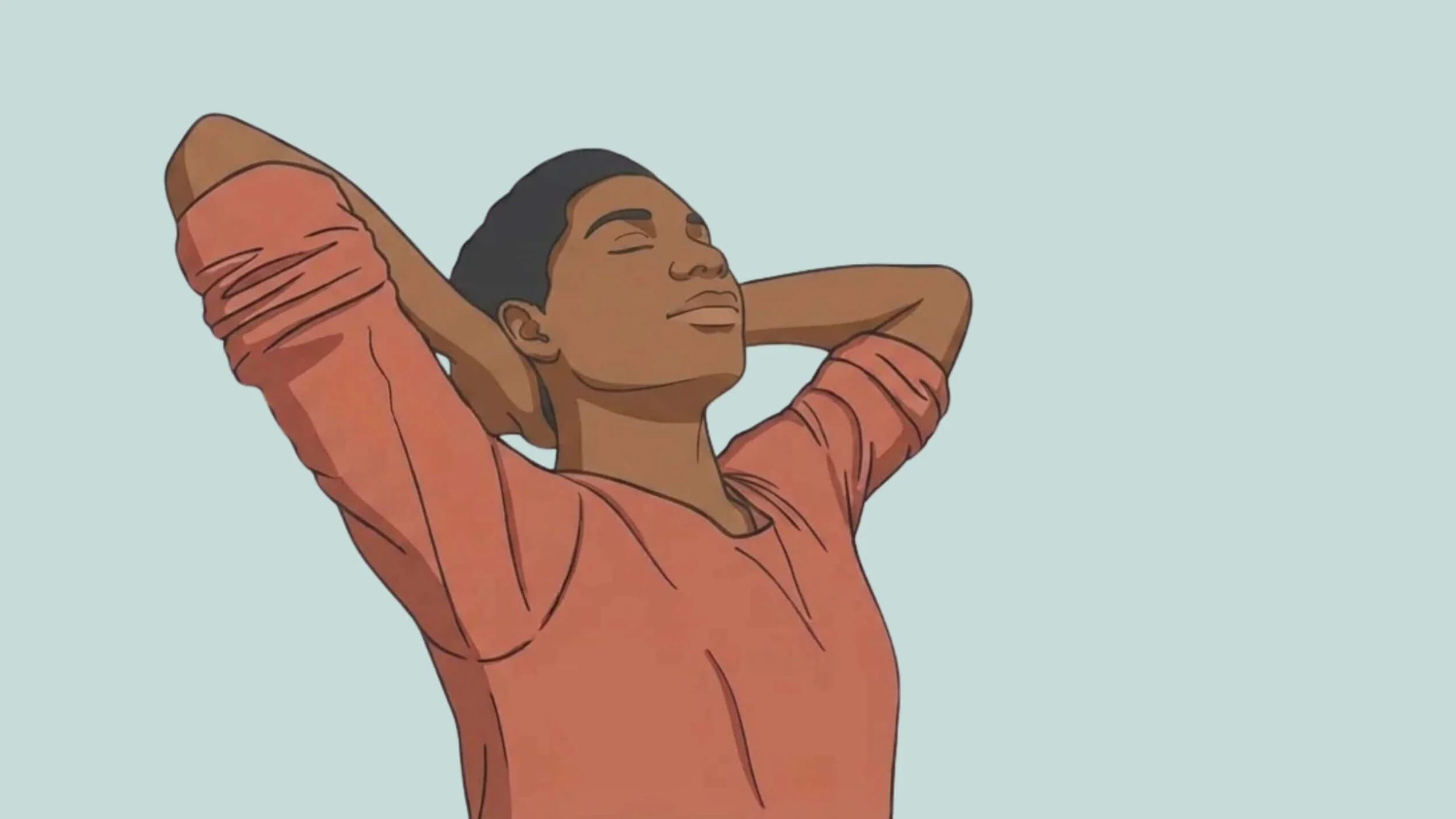
Your posture affects much more than your physical comfort; it profoundly influences your overall health, energy levels, and emotions. The increase of collapsed sitting and walking from looking down at smartphones may very much have an effect on the rise of depression in recent years. Emotions and thoughts affect our posture and energy, and conversely, posture and energy affect our emotions and thoughts.
Improving how you use yourself prompts the human brain to adapt and support a healthy, effortless posture. As your posture improves, you may feel your attitude and emotional state improve as well, allowing you to access new parts of yourself. Students often report that after relieving old, self-limiting postural habits, they feel taller, lighter, super mobile, and filled with a more optimistic outlook inside their bodies. To learn more about how movement re-education can transform your postural alignment and overall well-being, explore our comprehensive guide on Feldenkrais and Posture.
“This was a really lovely and enjoyable lesson. I found it so helpful when you spoke about how we can start believing that holding tightness—like in our neck and shoulders—is permanently a part of who we are, wearing past experiences like a heavy suit of armor or tension we can’t take off... What I love most about Feldenkrais, alongside the physical benefits, is the mental and emotional ease and flexibility it brings. Often after a lesson, I’ll find myself doing something I thought was impossible or felt anxious about, only to realize it’s suddenly become easy. Realizing that my thinking and mental processes aren’t fixed opens up so many more possibilities than I ever realized.”
Where to Go Next
If you want to explore dynamic postural support and release chronic neck tightness, check out these resources:
To understand the method more fully, dive deeper into the foundations of posture on our main topic page: Feldenkrais and Posture.
Join the guided movement series to re-educate your head and neck alignment: Organizing the Head and Neck.
If you would rather listen, Episode 95 of my podcast, Posture as a Dynamic System takes a deeper look at the Feldenkrais approach to posture in my own words.
Episode 94 is a guided lesson you can try today: Tech Antidote for Spine and Eyes.
Frequently Asked Questions
-
Tech neck is the muscular strain, tension, and joint stress caused by spending long hours looking down at computer screens and smartphones.
-
Forcing yourself to hold a rigid "good" posture often increases muscle strain; true relief comes from improving how your spine, pelvis and feet support your head naturally through proper skeletal alignment.
-
Yes! Eye movements directly affect neck tension because your visual system and posture-control muscles are hardwired together in the brainstem. Prolonged close focus locks your eyes and neck into a rigid, high-stress state, while shifting to a wider, distant focal length signals your nervous system to relax. This simple visual reset calms your whole system and releases chronic tightness across your ribs, upper back, and neck.
-
Posture directly affects your breathing mechanics, which in turn influences your emotional state. Slouching or collapsing your chest compresses the diaphragm and restricts lung expansion, signaling to your autonomic nervous system that you are in a state of stress or low energy. Shifting into an easy, open posture restores deep breathing, helping calm your nervous system, lower anxiety, and boost optimism and confidence.